Showing posts with label Asparagus. Show all posts

Wednesday, April 23, 2014

Celebrating Easter 2014...


I realize this is coming a few days late but I hope everyone had a lovely Easter. Ours was quiet, and I preferred it that way. Normally I’m all about going ‘all-out’ for the holidays, and I particularly like Easter because of it’s association with Spring but lately I’ve been over-extending myself in the kitchen, - I’ve simultaneously been testing recipes for 3 different cook book authors! - and so I was content to keep things pretty low-key this year. Of course, low-key doesn’t mean lacking in flavor, or fun and there was no shortage of either this year.

We began the day with some delicious Cinnamon Zucchini Waffles - a tester recipe from Jessica over at Cupcakes and Kale - unfortunately I was in such a hurry to eat that I neglected to snap a photo! Sorry about that, but I can assure you they were quite delicious. Hearty, and yet somehow the perfect start to a lovely spring morning. Afterwards we went for a walk, to work off our meal and to soak up some very much needed Vitamin D - something that’s been severely lacking here in Chicagoland this winter.

Chocolate Orange Cake 


Later in the afternoon we gathered with my husband’s family to celebrate the holiday. Normally I make delicious vegan dishes to bring along but the past couple of years I haven’t felt much like doing that. Transporting an entire meal is kind of a hassle and so last year - as with this year - I opted to just make us a nice dinner upon our return home. We did snack on some chips and salsa, and raw veggies while hanging with the family though - and I did bring along this exquisite Chocolate Orange Cake which is Susan Voisin’s recipe from Nava Atlas’s cook book “Vegan Holiday Kitchen” It’s a pretty simple cake, very low-fat - using non-dairy yogurt instead of oil, and a half/half mixture of all-purpose and whole wheat flour. It’s finished off with a chocolate glaze and an orange glaze and let me tell you, this thing went over like gangbusters. Really. Super delicious.


We arrived home around six in the evening and then I began working on our holiday dinner. Since I didn’t want to have a stack of books clogging up my kitchen space I decided to just pick a few dishes from “Vegan Holiday Kitchen” and have at it. The big feature - or our main dish - was the Citrus Roast Tofu which I’d left to marinate the entire time we were with the family. The marinade is a delicious mix of orange juice, orange marmalade, lemon juice, soy sauce, olive oil, mustard and tarragon. It’s topped with lightly sauteed carrot slices, almonds, garlic, curry and parsley. So good, and definitely one of my new favorite tofu dishes. To accompany I made the Roasted Baby Carrots which were cooked in a simple blend of maple syrup, lemon juice, parsley and cinnamon. Quite tasty - and carrots are one of my favorite vegetables so I didn’t mind the double helping.  I also made the Lemony Asparagus Risotto because... well - who doesn’t love risotto? No really, my husband is crazy for Risotto and I just love the combo of Asparagus and Lemon. This particular risotto is a little different in that it’s baked inside the oven rather then cooked on the stove top, but I kind of liked that. Less fuss you know? Overall though I’d say this risotto was a bit under seasoned for my taste, and so not my favorite risotto. There was definitely enough garlic but I think next time I would add more salt and more lemon, and maybe leave out the spinach and add more asparagus - but that’s me.

Citrus Roast Tofu
Roasted Baby Carrots 
Lemony Asparagus Risotto 


For dessert - yes we had a second dessert, so what? - I made the Classic Carrot Cupcakes, because what could be more appropriate then that? These were crazy good, and I mean that. In fact they just might be my favorite carrot cupcake recipe ever, and they were so simple. Made with Whole Wheat Pastry Flour instead of all purpose, Maple Syrup instead of sugar, and apple sauce to cut down on the amount of oil they’re practically guilt-free. The cream cheese frosting was also luscious and delicious without being too ‘cheesy’ or too sweet.

Citrus Roast Tofu - Close up
Lemony Asparagus Risotto - Close Up

Roasted Baby Carrots - Close Up 


In addition to a delicious meal my husband and I often by one another a little something special for the holiday but we were pretty low-key about that too this year. Instead we exchanged cards and bought one another 3 bars each of the new Endangered Spices Chocolate Bars - more on this in a review post to come.

Classic Carrot Cupcakes 


All in all it was a great day. A relaxing Sunday, a subdued holiday. Beautiful weather, great food, and wonderful company, what more can you ask for?

Saturday, April 21, 2012

Spotlight Food - Asparagus...


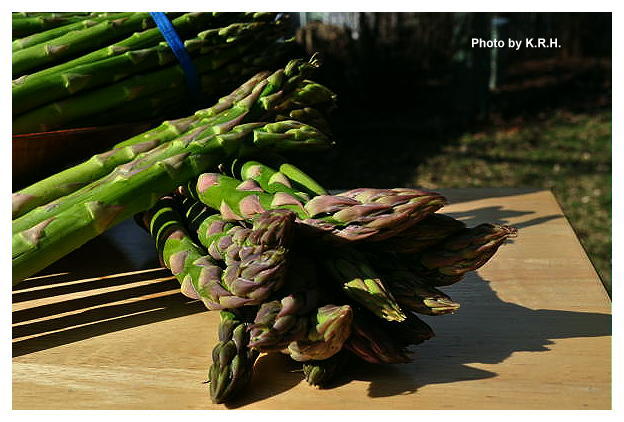
Spring is here, and that means it’s asparagus season! I absolutely love asparagus! Not only is it one of my favorite springtime vegetables but it’s one of my favorite vegetables period. It has such a unique flavor, and works so well in so many dishes. This spring asparagus seems to be everywhere in abundance, and the price is very low - in fact the lowest I’ve ever seen it -, so I’ve been taking full advantage and buying up pounds and pounds of what is usually a rather pricy food. I’ve been making all my favorite asparagus recipes, and new ones too! Utilizing a food I don’t get to eat year round. Truthfully even though it’s usually available throughout the year, it’s never as good as when you get it fresh in the spring. So take advantage!


Aside from it being delicious, asparagus also has the added benefit of being low in calories and low in sodium. It’s chalk full of a bunch of other good nutrients as well, which we’ll get to later, but first I wanted to address a commonly known fact about asparagus. Yes, you’ve guessed it, I’m talking about the urine effect. A lot of people complain that after they eat asparagus their urine smells funny, pungent and even awful. This deters a lot of people from eating it, which I think is silly because who cares if your urine smells after you eat it? Who’s going to smell it but you anyway? And even then you’re only in the bathroom a few minutes! Anyway, the interesting thing is that several researchers have studied this unique effect with the intention of finding out why some people produce foul smelling urine after eating asparagus while others do not. As it happens, researchers from France, China, and Israel discovered that odorous urine after asparagus consumption is a typical human characteristic. Meaning that the majority of humans produce this smelly urine. However only something like 22% of the human population actually has the autosomal genes required to smell it! They figured this out when it was discovered that those who could smell their own stinky urine could also detect the odorous smell in the urine of others, even those who could not smell it themselves. Fortunately both my husband and I fall into the category of ‘it doesn’t effect us’ or ‘we just don’t have the genes needed to smell it.’


So what does this teach us? 1) Virtually everyone has smelly urine after eating asparagus. 2) Just because you can’t smell it doesn’t meant it doesn’t smell. 3) Since virtually everyone is effected in this way, there’s no need to be embarrassed. Suck it up, asparagus is delicious and nutritious so go ahead and eat it!


History/Cultivation

Asparagus has been eaten and enjoyed both as a vegetable and as a medicine since ancient times. Native to the temporal regions of Europe, North Africa and Asia, it has been eaten in Egypt since 20,000 BP. The use of asparagus as an offering is pictures on Egyptian tablets dating back to 3000 BC. However the ancient Egyptians were not the only ones to enjoy this springtime vegetable. It was also known to the Syrians, and the Spanish as well as the Greeks and the Romans who praised it not only for it’s delicate flavor, but for it’s diuretic properties as well. The Romans would eat it fresh in spring, and dry or freeze it high in the Alps to use in the Feast of Epicurius. There are even recipes for cooking asparagus in the oldest surviving book of recipes, Apicius’s third century AD De re coquinaria, Book Three.

Cultivation of Asparagus began in French Monasteries in 1469, but it wasn’t till the 18th century when it became extremely popular in the country. During the rule of Louis XIV special greenhouses were built for growing asparagus and it was served as a delicacy. It made it’s way to the New World and the United States around 1850.


Health Benefits 

Asparagus delivers a truly unique blend of anti-inflammatory nutrients that have been shown to be of benefit. Among these nutrients are saponins - including asparanin A, sarsasapogenin, protodioscin, and diosgenin. Sarsasapogenin has been of particular interest in relation to ALS - also known as Lou Gehrig’s Disease) Even though ALS is characterized as a chronic neurodegenerative disease and not currently accepted as an autoimmune disorder, it’s thought that excessive inflammation may play a role in the death of motor neurons in ALS.

In addition to it’s anti-inflammatory benefit Asparagus also offers a wide variety of antioxidant nutrients, such as Vitamins C and E, beta carotene, and minerals like zinc, manganese, and selenium. It may also contain a valuable amount of the antioxidant glutathione (GSH) which is one of the bodies best studied antioxidants. One published study has estimated the GSH in fresh asparagus to average 28 mg per 3.5oz. While other studies have compared the antioxidant capacity of Asparagus with that of cruciferous vegetables such as cauliflower and cabbage.

This is important because anti-inflammatory and antioxidant nutrients are amongst the best risk reducers for chronic diseases such as type 2 diabetes, heart disease and certain types of cancer.


Most of the studies conducted on the anti-cancer benefits of asparagus have been conducted on rats, and mice or on specific cancer cells. For this reason asparagus-cancer research is considered preliminary as it’s not yet been validated by large scale human studies. However the trends in animal and specific cell studies are clear, asparagus as well as asparagus extracts can change the metabolic activity of cancer cell types. These changes are protective in nature and related to better regulation of inflammation and oxidative stress. Cancer cells taken from the liver have been the most studied in this regard.

It’s possible that Asparagus may also have an effect on Leukemia, however the research at this time is poor. The initial thought behind this lies in the fact that leukemia cells need to obtain a specific amino acid called asparagine from other cells or from the blood. If leukemia cells are prevented from obtaining asparagine they may have trouble surviving. Research from the 50's and 60's discovered that the injection of an enzyme called asparaginase into patients with leukemia could result in decreased levels of asparagine in the blood and selective destruction of leukemia cells through asparagine deprivation.  Prescription injection of asparaginase enzymes is still used in treatment for acute lymphoblastic leukemia. The reason asparagus has been looked to in this instance is because it contains both the amino acid asparagine, and the enzyme asparaginase as their names suggest, however there is no current research showing a treatment connection between leukemia and dietary intake of asparagus. The only research so far concentrates on the prescription injection of the enzyme medication.

Asparagus also seems uniquely designed to help support a healthy digestive system. With it’s rich fiber content - 3g per 1 cup - and it’s significant protein - 5g per 1 cup - asparagus helps stabilize our digestion and keep things flowing along our digestive tract at an appropriate speed. As opposed to fatty foods that slow down the digestive process or sugars that speed it up. However it’s digestive support doesn’t end there. Asparagus also contains a significant amount of a nutrient called inulin, which has been described by some healthcare practitioners as a ‘pre-biotic.’ Inulin is a special kind of carbohydrate called a polyfructan, and unlike other carbs inulin doesn’t get broken down in the first sections of the digestive tract. Rather it passes undigested through the small intestine and arrives intact in the large intestine where it becomes an ideal food source for specific kinds of bacteria, associated with better nutrient absorption, lower risk of allergy, and lower risk of colon cancer. Due to it’s unique effect on our digestive system it’s no wonder that asparagus has a long history of use in Indian Ayurvedic medicine for treating digestive problems.

While there have been no large-scale human studies researching the effect of asparagus on heart disease and blood sugar regulation, preliminary studies suggest asparagus may be helpful in both these areas of chronic disease. This is due firstly to the incredible vitamin B content of asparagus.  Asparagus has proven to be an excellent source of folic acid, and vitamin B1, as well as a good source of vitamin B2, B3, and B6. It also contains B vitamins such as choline, biotin, and pantothenic acid. This is important because B vitamins play a key role in the metabolism of sugars and starches, they are critical for maintaining healthy blood sugar. They also play an important role in regulating homocysteine, and amino acid that becomes a strong risk factor for heart disease if it’s allowed to reach excessive levels. Secondly it’s potential benefit on heart disease and blood sugar can be attributed to it’s asparagus’s fiber content. As it’s well known that intake of soluble fiber has repeatedly been shown to lower the risk of heart disease as well as type 2 diabetes. Lastly, asparagus’s antioxidant, and anti-inflammatory properties are crucial. Both heart disease and type 2 diabetes are considered chronic diseases that develop in relation to chronic inflamation and oxidative stress. Meaning asparagus’s high antioxidant and anti-inflammatory nutrients could help lower the risk of both heart disease and type 2 diabetes.


Studies conducted on persons with Alzheimer’s found that those suffering from the disease had extremely low to no levels of folate in their bodies. Since asparagus is such an excellent source of folate, it could be beneficial both in preventing and treating early stages of Alzheimer’s. However no large-scale human studies have been conducted at this time. Folate is also a crucial nutrient for pregnant woman as it helps protect against birth defects.

Green Asparagus is also a particularly good source of vitamin C, and vitamin C is important in the production and maintenance of collagen, which is the major structural protein component of the connective tissue in the body.

The second century physician Galen described asparagus as being both “Cleansing and healing” which certainly seems true today, as asparagus is considered a diuretic, a mild laxative and a neutralizer of ammonia in the body.

Overall though more research needs to be conducted asparagus seems to have many benefits, and it’s delicious too!


Preparation

Honestly I love asparagus cooked anyway and in any dish. I love it lightly steamed, grilled, sauteed, stir-fried, roasted, raw, or baked. I love it hot or cold, in soups, stews, salads, pasta dishes, tarts, casseroles, or on it’s own. I love it plain, and by itself, I love it dressed simply or elegantly. I love it with rice or cous cous, I love it as a filling for sushi or even a wrap. It’s even great as part of a tofu scramble. Honestly the ways you can enjoy asparagus are endless, it’s so versatile and it works brilliantly with a wide variety of seasonings. Try it pan fried with shallots, garlic and lime juice. Or try it steamed and drizzled with olive oil, balsamic vinegar, rosemary and minced garlic. Tick it up a notch with a Cajun, or Jamaican rub, or just some good ole’ red pepper flakes. Don’t be afraid to experiment with it!

Happy and Healthy Eating to you!

Tuesday, April 3, 2012

Simple Asparagus Tip and Cucumber Salad...


Remember my ‘Sesame Asparagus Maki’ recipe from way back in January? Well, I love asparagus, and I love asparagus sushi, if you’re anything like me, you do too. Which means you probably have a whole bag of asparagus tips sitting in your fridge that you either don’t know what to do with or keep forgetting about. Have no fear because I have the perfect solution for all those delicious tips! They can easily be converted into a tasty salad that takes absolutely no time at all to whip together. Free too of fussy ingredients and subtly seasoned with ingredients the majority of us already have on hand.


This simple salad truly screams spring to me. It’s full of spring flavor and freshness, and is the perfect accompaniment to any spring or summer inspired meal. It’s also great on it’s own for a light lunch, an appetizer or alongside a nice bowl of chilled or warmed soup. Best of all it’s a fantastic way to clear your fridge of leftover asparagus tips, half used onions and those fresh herbs you picked up from the market or plucked from your own garden. Try it out and see what I mean, you’ll be amazed at how something so seemingly simple can taste so divine and really hit the spot on a warm spring evening.


Simple Asparagus Tip and Cucumber Salad

2 Large Cucumbers
Asparagus tips from a 1 ½-2 lb bunch of Asparagus
1/4-1/2 Red Onion diced small (to taste)
Small handful fresh Basil minced (to taste)
Small handful fresh Dill minced (to taste)
3 Tbsp Olive Oil
2 Tbsp Lemon Juice
1 tsp Maple Syrup
White Pepper, Black Pepper, and Sea Salt to taste
Pinch of Dried Crushed Rosemary (you can use fresh if you have it)

- Fill a pot fitted with a steamer basket with an inch or so of water. Add your asparagus tips and steam for five to ten minutes until tips are tender-crisp and bright green.

- While tips are steaming peel your cucumbers. Slice them lengthwise in half then remove the seeds. Slice each half into thin half moon shapes.

- Add the sliced cucumber and the diced red onion to a large bowl add the minced basil and minced dill. Add the asparagus tips when they’re ready.

- In a small bowl whisk together the olive oil, lemon juice, maple syrup, Rosemary, pepper and salt. Taste for seasoning and adjust as needed. Pour over salad and serve either at room temperature or chilled. Personally I prefer It when the asparagus is still a bit warm.

Friday, February 17, 2012

Japanese 7 Spice Rice Bowl with Greens...


Yesterday I was really craving greens, all kinds of greens! Anything from broccoli to kale to collards to cabbage. Originally I had planed to make some sauteed Swiss Chard with Baked Tempeh but as the day drew nearer it’s close I started longing for something a little less involved. I started thinking about rice, which got me thinking about Japanese food, which in turn got me thinking about sushi. Sushi, now there was an idea! Except it was eight o’clock at night and after a couple hours of hard study I wasn’t really in the mood to break out the bamboo mat and start rolling Maki.


Instead I decided to make a Japanese inspired rice bowl. One that would combine the flavors I love about sushi, with simplicity and my desire for a plate loaded up with greens. Though you can really use any green veggie you like I strongly suggest the broccoli asparagus combination. Not only do they taste good together but they always taste great with rice. Initially I chose them out of convenience, as I always have bags of frozen broccoli on hand and I had just bought a pound of asparagus the day before yesterday. Convenience or not though it turned out to be a stellar choice.


This bowl is so full of flavor, and I particularly like the application of Japanese 7 Spice here - also known as Shichimi Togarashi - for the subtle heat and refreshing citrus flavor it lends to the dish. This meal is both satisfying and filling yet light. Which is exactly what you want if you’re forced to have a late dinner. You don’t want to be bogged down with digestive distress and gastric upset right before you slip into bed right?


Japanese 7 Spice Rice Bowl with Greens

Rice

2 C Brown Rice
2 1/4 C Water
2 tsp Kelp Granules
2 Tbsp Brown Rice Vinegar
1 Tbsp Sugar
½-1 Tbsp Grated Ginger
6 Garlic Cloves Minced
1 tsp Sesame Oil

Sauce

2 Tbsp non-dairy Mayo
2 tsp Liquid Smoke
1 tsp Umeboshi Plum Pate
½ tsp Agave Nectar
1 1/4 tsp Japanese 7 Spice Seasoning (or to taste)

1lb Asparagus trimmed
½-1 lb Broccoli Florets
1 tsp Sesame Oil (or to taste. Optional)
2-4 tsp Sesame Seeds (to taste)

- To make the rice combine rice, water, vinegar, kelp, and sugar in a rice cooker and cook as directed by manufacturer. Or combine in a pot and cook the old fashioned way. (Bring to a boil, then reduce heat to simmer and let cook for 30-45 minutes making sure to check and stir occasionally so the rice doesn’t burn.)

- While rice is cooking heat the tsp of sesame oil in a small pan over medium heat. Add the grated ginger and minced garlic. Saute for a few minutes until fragrant and golden. About five minutes. Remove from heat and set aside.

- Trim asparagus of tough ends and place into a steamer basket along with the broccoli. Or if your steamer basket is small work in batches. Asparagus first then broccoli. Steam the vegetables until they are tender but still a bit crisp, about 5-8 minutes. They should be bright green and vibrant!

- To make sauce combine Mayo, liquid smoke, umeboshi paste, agave and 7 spice seasoning. Taste for flavor and adjust as needed. A word of caution though, both umeboshi and 7 spice seasoning are strong, so a little goes along way. It’s important that you taste the sauce before deciding to add more and If you do add more add it in small increments. Once sauce is combined set aside.

- Once the rice has finished cooking add the sauteed ginger and garlic mixture to the pot. Stir until combined.

- Divide the rice mixture amongst two bowls. Into each bowl place 1-2 Tbsp of the sauce and mix it into the rice until well combined. Top each bowl with an equal amount of asparagus and broccoli.

- Drizzle any remaining sauce over top of the veggies. Divide the remaining 1 tsp of sesame oil and drizzle a half tsp over each bowl. (Optional but recommended) Then sprinkle 1-2 tsp of sesame seeds over top of each bowl. I used black sesame seeds because it was all that I had but feel free to use brown.

- Serve and enjoy!

Thursday, January 12, 2012

Sesame Asparagus Maki...


Ah... see, yesterday I promised sushi and today I shall deliver it. I’ve been in a real sushi kind of mood lately, there’s something about that combination of brown rice and seaweed that’s got me jonesing bad - Sounds strange I know - but seriously it’s all I could think about last week. I made sushi twice, and this is one of the Maki’s I came up with. As I mentioned yesterday Asparagus sushi was always one of my favorites, and it’s been so long since I’ve had asparagus that I broke down and bought a bundle even though it’s not technically in season. - Very bad of me I know. - Though this Maki is kind of on the simpler side, it is super delicious either on it’s own or dipped lightly in soy sauce. It has a flavor and texture slightly reminiscent of a ‘traditional’ California Roll, which used to be me husband’s favorite. I’m proud to say that out of all the Maki I’ve ever made, in fact out of all the Maki he’s eaten, after eating this one he generously claimed that it was his new hands down favorite.


So, go ahead, and don’t be afraid to roll your own. It isn’t really that hard, and it’s not overly time consuming. You just need a little patience, and delicacy. If you can manage that, you can roll your own Maki and impress your family and friends by making them think you’re a super awesome sushi chef!


Sesame Asparagus Maki

1 ½ C Brown Rice
3 C water
1 Tbsp Granulated Cane Sugar
2 Tbsp Brown Rice Vinegar
1 lb Asparagus
4 Tbsp Sesame Seeds
4 Sheets Nori Seaweed
4 Tbsp Vegan Mayo
Wasabi paste to taste
Liquid Smoke to taste

- The quickest and easiest way to make sushi is to have everything prepared and ready to go. Meaning clean off a good sized work space. Have all your pots, pans, steamers, and bowls set up and ready to go. Have your ingredients laid out on the counter with your knives and measuring tools, and don’t forget your sushi mat!

- First, start your rice. Now if you’re like me you own a rice cooker for ease and convenience sake. I use it so often that it really is the most used appliance in my house after the Vitamix. If you have a rice cooker, dump your rice, water, vinegar and sugar into it. Mix to combine and then cook according to manufacture directions. However if you are not so fortunate to own a rice cooker you’re going to have to make your rice the old fashioned way, but you should be used to that I’d think. Pour rice, water, vinegar and sugar into a pot, stir to combine cover and bring to a boil. Reduce heat and let simmer until all water is absorbed and rice is cooked. Cooking time varies but for brown rice I’d say it’s usually done within 35-45 minutes so just check on it every now and again and make sure to stir so the bottom doesn’t burn. Add more water if necessary.

- When rice is done cooking fluff it with a fork and set aside to cool. About 10-15 minutes. Or you could put it in the fridge for a quick cool.

- While rice is cooking, trim the corse ends from the Asparagus and discard. Also trim off the leafy tips of the Asparagus, though save those to toss into salads, stir-fries or soups etc... Place asparagus in steamer basket and steam for 5 or so minutes until Asparagus is bright green and tender crisp.

- Remove asparagus from steamer and set aside till cool enough to handle.

- While your rice and asparagus are cooling combine the mayo, wasabi and liquid smoke in a bowl. Taste for flavor and adjust as needed. The sauce should not be overly spicy in fact it should only have a hint of wasabi heat, and a bit of sweet smokiness. However if you prefer more heat by all means feel free to add it. 3-4 small drops of wasabi paste should be sufficient for achieving the flavor I intended.

- Now comes the trickiest part, but trust me you’ll be okay. On your clean work surface. - I use a clean bamboo cutting board - lay down your bamboo sushi rolling mat. On top lay down 1 sheet of Nori with the shiny side facing up. Have a bowl of cold water at your work station and with wet - but not profusely dripping - hands grab handfuls of rice and spread evenly over the sheet of nori. Spread the rice as close to the edges as possible but leave about a half to a quarter inch of space on the horizontal side of the Nori furthest from you. This little boarder will help your rolled Maki stick together. Rinse your hands before moving onto the next step.

- Spoon 1 Tbsp worth of the mayo sauce horizontally along the edge of rice closest to you. Then sprinkle 1 Tbsp of the sesame seeds - by the way you can use toasted or not it doesn’t matter. Mine weren’t toasted - over the rice.

- Next layer in 3 spears of asparagus on the left parallel with the horizontal edge of the nori closest to you. Laying them down over the mayo layer you just created. If they’re not long enough to reach from left to right then layer in 3 more spears on the right so that the edge closest to you is completely filled with asparagus. If some poke out past the nori you can trim them off, and use them on the next roll or eat them.

- Now, using your mat, and working slowly pull the mat up slightly and roll it over. Moving slowly and using both hands slowly roll your Maki, using the bamboo mat to press down and make the roll tight. You may have to stop at some point to push the filling back under the Nori or to help guide the roll. Stop just before you get to the opposite edge that you’ve left empty. Dip your fingers into the water, run them along the empty edge then roll your nori closed. Press down tightly to seel.

- It’s okay if it’s not perfect, rolling Maki takes practice and even though I’ve done it a ton of times I still don’t make a perfect roll each time. Sometimes my rolls are to fat, sometimes they don’t seel properly, sometimes I don’t cut them well. It happens, don’t beat yourself up about it. Remember that you’re doing it for the fun of it, and it’s - maybe - your first time, you’ll get better the more you practice.

- Next, and this step is very important. Before cutting your Nori into one inch sections run your chef knife under cold water. By the way you should always use a chef knife or other similar smooth edged knife to cut sushi. If you use a steak knife, or a bread knife or some other kind of knife with a jagged edge your Maki is going to get shredded and will likely fall apart. Once seaweed is wet it is very, very durable, your roll will fall apart before the seaweed cuts properly. I know from experience. So run your Chef knife under cold water. Give it a shake and then starting from one edge and working towards the other cut your roll into rounds.

- The best way to cut your roll is to do it in one smooth motion. Do not use your knife as a saw. Press down firmly it’s okay if the roll doesn’t cut right away, it’s okay if it looks like it’s getting squished a bit this is normal. Use one fluid motion, press down on the knife with your knife hand and hold the long end of the roll steadily in place with the opposite hand. Press the knife firmly down until it has cut all the way through. To separate the round from the rest of the roll you may have to give one quick saw motion depending on the sharpness of your knife, but otherwise that is it. Run your knife under cold water before EACH cut! This is important. Before each cut your knife must be wet. The drier your knife Is the more difficult this will be and the more likely your roll will fall apart.


- Congratulations! Now that one roll is finished - You should have gotten 6-8 rounds out of it by the way - give yourself a pat on the back, and then begin again from step one. Repeat all steps until ingredients are used up. At the end you may have some leftover rice. If this is the case no worries, stick it in the fridge and toss it into a salad tomorrow!

- To serve arrange on plates and serve with dipping bowls of soy sauce, and my favorite Sweet Thai Chili Sauce. Serve with addition dollops of wasabi if desired and pickled ginger, yum!


PS: As you can see in the pictures two of my rolls were coming apart at the seam, so don’t fret if yours do too. Also end pieces are always kind of ugly so don’t worry about them either. If you’re making this for a friend you’d like to impress you can always stuff the ends with extra filling once they’ve been cut. This way you have greater control and the filling won’t fall out on you.


*** Note - Can be made Sugar-Free by Omitting the Cane Sugar***

Friday, July 22, 2011

Mighty Green Pasta with Garlic Scapes and Creamy Lemon Dill Sauce...


You’ll have to excuse the poor quality of the pictures, the lighting in my kitchen at anytime of day is not very good, not ‘photographer’ good anyway, and it’s particularly bad at night. On top of that, on the particular day that I made this recipe I was cooking for a guest, and because the hour was growing late I was in something of a hurry to take the photograph. Don’t let the poor photo quality deter you in any way from trying this dish though, trust me when I say it’s phenomenal. It far exceeded even my wildest expectations.

Now, a note about Garlic Scapes, they are a revelation! I can’t believe I’ve never eaten them before! Now, if you’re like me, and not very familiar with Garlic Scapes, it’s very simple. All they are is the green shoots that grow out of the garlic bulb. In order for the bulb to grow into maturity the scapes have to be removed. Usually they were just tossed away into the garbage or compost, but it seems that some ingenious person decided, "Hey, why don’t I cook them?" and that set the foodie world on fire, as garlic scapes are now quite the in and trendy thing to cook with. Garlic Scape pesto in particular seems to be the hot new dish making the rounds, but since I don’t care much for food fashion or food trends, and I generally approach the foodie elite with scorn and much eye rolling I chose to do something else with them.


Look at all those beautiful Scapes!

Originally I bought the scapes for a soup I planned to make using a recipe from "Super Natural Cooking" however as I didn’t have the recipe on hand I bought six bunches of scapes just to cover my bases. Turns out I only needed three for the soup, and so the other three I decided to stir-fry with various other green vegetables and toss with pasta. It was a wonderful combination, as the scapes have a texture similar to asparagus, and a flavor like mild garlic. Mixed with Lemon and Dill it was a winning combination.


Mighty Green Pasta with Garlic Scapes

1 lb Whole Wheat Spaghetti
2 Tbsp Earth Balance Coconut Butter or non-dairy butter or olive oil (optional)

3 Bunches Garlic scapes (Roughly 24 scapes)
1-2 heads Broccoli chopped into florets (or more to taste)
Roughly ½ lb Shaved Asparagus
½ Yellow Onion cut into half-moons
2-3 large handfuls baby Spinach
1 tsp olive oil

Creamy Lemon Dill Sauce

7 tbsp olive Oil
Half a large bunch of fresh Dill
5 tbsp Lemon Juice (or to taste)
1 tsp apple cider vinegar
2 tsp agave nectar
1-2 cloves garlic
4-5 sprigs fresh Oregano (or more to taste)
1/4 C Mellow White Miso
water to thin as needed
Black pepper and Sea Salt to taste

- Fill a pot with water and set in on the stove to boil. Once boiling cook pasta as directed by package.

- In the meantime trim all the flowers or buds from your garlic scapes. You really only want to use the firm part of the scapes, the bud and the thin wispy curl beyond it you can discard. Once trimmed, cut your scapes in 2-3 inch pieces.

- In a pan heat your tsp of olive oil, add your sliced onions and garlic scapes and cook for 5-10 minutes on medium until onions are translucent and scapes are soft.

- While onions and scapes are sauteeing in oil shave your asparagus. This is a very easy thing to do. All you need is a vegetable peeler. Peel thin strips off of your asparagus spears until you’re only left with the asparagus tops and some nubs. I recommend keeping the nubs and top pieces and tossing them in at this point to soften up a bit.

- Once onions and garlic scapes are softened add in your broccoli florets and saute for another 5-7 minutes until broccoli has softened and turned a bright green. You want to get the broccoli in that perfect stage of doneness. A little crisp but not overly crunchy, so keep an eye on it and keep testing.

- Once Broccoli is softened, reduce heat slightly and add in both the shaved asparagus and spinach. Stirring them both in until the spinach has wilted slightly. Remove from heat.

- By now your pasta should be done, drain it, and return it to the pot with 2 tbsp of Earth Balance Coconut Butter or your favorite non-dairy butter, or oil. (Optional of course) Stir to combine and add in your pan of mixed vegetables. Stirring again until combined.

- To make your sauce, add all of your ingredients into a food processor or high speed blender. (Food processor works great for this so a Vitamix isn’t necessary for those of you who don’t have one) pulse, or blend until sauce is creamy and smooth. Taste for flavor, tartness, and spices and adjust as needed. Then pour the sauce into your pot of pasta and veggies, stir well until all pasta and veg are coated and sauce is well combined. Then distribute amongst plates or bowls and enjoy, perhaps with a small side salad, or a slice of crusty garlic bread. Though it’s entirely suitable on it’s own as well.


*** Note- Garlic Scapes are apparently only available for a shot time each year, between June and July, so if you can’t find them you could always substitute with some additional chopped asparagus in addition to the shaved, some whole green onions, and a few garlic cloves. ***

P.S. Apologies to my good friend C.S, for I promised to post this recipe for you weeks ago and I never did. Better late then never though I suppose right? Peace/Love.