On Monday the world’s very first laboratory-grown beef hamburger was tested in London. Popped out of a petri dish and plopped into a frying pan the burger was cooked up and served to two volunteers, US based food author Josh Schonwald and Austrian food researcher Hanni Ruetzler. The burger in question was developed by Professor Mark Post of Maastricht University in the Netherlands with the hope of discovering a more sustainable way to raise meat. The burger was made by taking stem cells harvested from a living cell and placing them in a bioreactor holding a nutrient mixture that would help them proliferate. It took roughly three months to grow the 20,000 0.02 inch strands of muscle fiber used in making the burger. Which is a considerably shorter time-frame then it takes to raise an entire cow from birth to slaughter. The muscle fibers were then mixed with salt, egg powder, and breadcrumbs to improve flavor, and beetroot juice and saffron for color. It had been reported that this little experiment was five years in the making and cost a total of $332,00, but what did the taste-testers have to say?
Well, the reviews were mixed. The bottom line is that the texture of this patty was spot on, though the flavor was somewhat lacking. Since the burger patty was made from muscle fiber, there wasn’t a lot of fat which means it wasn’t as juicy or greasy as is generally expected from a hamburger. The general consensus seemed to be that the test-tube burger tasted something like a cross between a Boca Burger Patty and a Fast Food Hamburger, and even Mark Post conceded that the flavor would need to be improved before this could become a viable meat replacement for the majority.
How about public opinion? Well, it’s a pretty mixed bag. This story has generated a lot of discussion, a lot of debate, and a lot of controversy amongst both meat-eaters, and vegans, and frankly I’m surprised by the widely negative response coming out of the vegan community. It seems to me that most of the animal-rights organizations, and vegan organizations and non-profits are for this new development in food technology. PETA has endorsed it, as have non-profits like Farm Sanctuary, but when it comes to individual vegans; vegans like you and I, the backlash is overwhelming. You have vegans calling out these organizations for their support of this new technology and threatening to quit supporting them if they continue to endorse it. You have vegans calling out other vegans and declaring them ‘not vegan’ if they support this new development. You have all manner of people in general saying all manner of crazy things and it seems that very few of these outraged individuals actually know what they’re talking about. To me the negative response seems to be a ‘heat of the moment’ thing, an immediate emotional response, rather then a logical or intellectual one. Which is why I felt the need to write this post. I’m not claiming to be particularly intellectual but I feel it’s very important for some vegan somewhere to speak up, and make a thought-provoking case here. As vegans I think we’re doing more harm then good with an outright show of disapproval or refusal of this new development, and we’re severely overlooking the potential good it has.
Before I get into it I want to make clear that as a Vegan I have no interest in eating In Vitro meat. I have no interest in consuming test tube burgers, or laboratory grown meat, or ‘ethical meat.’ If this product becomes available in my local grocery store I will not consume it. Why? Because reduced animal suffering or not, this is still meat, and eating meat regardless of how it’s grown or where it comes from is not vegan. This is still an animal product, derived from an animal. I also went vegan initially for health reasons and so laboratory meat, or regular meat it doesn’t make a difference, they’re both still unhealthy in my opinion. So I personally wouldn’t eat this, and I wouldn’t condone another vegan eating it, but the important thing to remember here is that this is not a product being made and marketed towards vegans and vegetarians. This is a product being made for omnivores, for meat-eaters, and as such I support it. It’s far better for meat-eaters to eat laboratory meat, then it is for them to eat conventional meat for so many reasons.
Firstly we live in an overpopulated world, with an ever increasing population. Those population increases mean a higher demand for animal-based foods. World hunger is not something that we’ve been able to cease, and as our population continues to explode this problem will only get worse. Our planet is under severe stress, we do not have infinite resources, and we are using them without caution. We can not continue to sustain our rate of growth, or development and our overburdened planet can not continue to sustain the massive animal agriculture industry. Deforestation, land erosion, biodiversity decline, energy use, water depletion, pollution of eco-systems, land, water-ways, and oceans, poor air-quality, and a rise in greenhouse gasses and carbon emissions. These are the serious problems that we face, and they only grow worse as our population increases. According to the United Nations Animal Agriculture - that’s factory farming of cows, pigs, chickens, lambs, goats, etc... factory egg laying facilities, and factory dairy farms - are responsible for 40+% of global warming. That’s more then the entire transpiration sector - think cars, trucks, trains, planes, boats etc... - combined. Animal agriculture is literally killing the planet, and it isn’t doing us any favors either. Laboratory grown meat has the potential to change all of that, and even if it doesn’t solve all of these problems completely it will at least help to decrease their severity.
Hannah Tuomisto of Oxford University stated “At the global level if all meat was lab-grown, the greenhouse gas emissions could be reduced by 80% and the water use by 90%.” An 80% reduction in emissions and a 90% reduction in water usage is huge! Monumentally huge on that scale alone we should be looking into considering lab-grown meat as a viable option and replacement to the conventional. Another independent study found that lab-grown meat uses 45% less energy then the average global representative figure for farming cattle. The study also found that lab-grown meat also produced 96% fewer greenhouse gas emissions and requires 99% less land. Less energy wasted, and less land used, which means more land that can be used to house or ever-growing population. More land for us to grow food crops on, more land for us to turn into refuges, protected areas, or simply give back to nature.
This isn’t even taking into account other environmental and health factors like the spread of salmonella, E. Coli and other food bourne illness. Food bourne illness comes from animal feces coming into contact with food products. If you don’t raise animals for food, growing your food in a lab instead then there isn’t any feces. Theoretically this would decrease the number of cases of food borne illness per year. The 1 billion plus animals raised for human consumption in this country annually produce more then 3 trillion tons of waste. Since that waste is not disposed of properly it is often left to contaminate land, water ways, rivers, lakes, and other crops causing us to become ill. No more factory farmed animals means no more trillion tons of improperly disposed of waste. Antibiotic-resistant strains of bacteria are another factor. Since farmed animals are kept in such deplorable conditions they are routinely given antibiotics to prevent them from becoming sick. This has led to the emergence of antibiotic resistant bacteria entering our environment, and this has many scientists and doctors concerned over our future. We only have so many antibiotics available to us, if they cease to work on the bacteria and diseases that they’re meant to heal us from what then? Many scientists, and zoologists believe that the next big pandemic will come from an animal source, likely from a farmed animal who has close contact with humans. Take away animal farming in favor of lab-grown meat and you reduce the risk of antibiotic resistant bacteria and the potential for new pandemic or epidemic pathogens.
Environmentally speaking there is no good or valid reason why lab-grown meat shouldn’t be researched or supported.
As for world hunger it's ridiculous to think that we'll ever be able to produce enough meat to feed all the hungry in the world. It simply isn't feasible when you take into account how many animals would have to be raised - in an already burdened system - to accomplish this daunting task. The animal agriculture system that we have in place just isn't effective or efficient. If you take a look at the numbers you see that they just don't add up in any way that makes sense. 30% of Earths land mass is taken up by animal agriculture. More then 260 million acres of U.S. forest alone have been cleared in order to grow crops to feed to animals. 70% of the grain and cereals that are grown in the United States are fed to farmed animals. Dose this make sense to anyone? In a world where children in less fortunate countries die of starvation every day is it ethical to continue to feed important food staples to animals just so that we can eat them ourselves? What do we get in return? It takes 13 pounds of grain to get 1 pound of meat back, and even farmed fish need to be fed 5 pounds of wild caught fish in order to return 1 pound of farmed fish. This is not only wildly inefficient, but to some degree it's down right disgusting. It's been said that there isn't a global food shortage, that the problem is in the distribution, and you could make an argument there for government corruption in third world nations but it should also be pointed out that if we 'redistributed' that grain that we feed to farmed animals to humans, the 'food crisis' would end. We can effectively grow enough food to feed every person on this planet, the problem is that we greedily choose to feed that food to animals that we intend to eat to satisfy our own palates.
Food, and land however are not the only wasted resources. Water is another hugely wasted resource in the animal agriculture industry. Many countries are already facing massive water shortages, droughts, and are in water crisis. Here in the U.S. because we're not faced with it everyday it's out of sight and out of mind, but the prediction is that in as little as another decade the U.S. too will be feeling the effects of a global water crisis. Water is now being labeled "Blue Gold" and yet we continue to waste it as though it were infinite Did you know that 2,400 Gallons of water are needed to produce 1 pound of meat? Where as only 25 Gallons are used to produce 1 pound of wheat. That's a staggering difference.
It simply doesn't make sense to continue farming animals the way that we've been doing. If ending world hunger is something that we're serious about as a nation and as a society then we have to at least consider the benefits of lab-grown meat; as lab-grown meat has the potential to end animal agriculture while still providing meat for those who wish to continue to consume it, and it can provide a realistic solution to ending world hunger. Lab-grown meat also has the potential to help us avert the coming global water crisis. Taking these two things into consideration there is no valid reason for why lab-grown meat shouldn't be researched or supported.
Then there’s the case for animal rights. As animal rights activists and vegans we strive to end animal suffering. Our whole purpose, our whole mission is the end of needless and cruel suffering, torture, brutalization, and murder of billions of animals. We do this through education, through speaking our truth, by engaging in conversations on this topic and by encouraging others to go vegan or at least vegetarian. It’s a noble cause for sure, but the sad truth is that no matter how much we try, no matter how much we fight, we are not enough. We can never, and will never cause the entire world to go vegan. That isn’t even the slightest bit realistic. There will always be people who eat meat, and rather then fight those people on an issue that will never change for them why wouldn’t we as vegans want to endorse lab meat? Lab meat can and will put an end to animal suffering in a way that we as vegans will never be able to do. When lab meat is a viable option, inexpensive, and easily available and accepted it will cause a massive decrease in factory farming. Eventually it could cause all animal farming to stop completely. It’s not so crazy to imagine lab meat will become the future and conventionally raised meat will be a thing of the past.
For all those vegans who will not endorse lab meat because it is not vegan I ask you to reconsider and rethink your position. You will never be able to make the world vegan, and therefore there will always be animal suffering. Lab meat can change that. Yes it would still be meat and yes it would still be from an animal, and yes maybe a couple of animals would have to suffer for us to harvest the stem cells, but you don’t have to eat it. It is not for you, it is for meat-eaters. In my opinion it’s preferable to have only 1 or 2 or even 10 animals suffering then it is to have a billion plus animals suffering every year. I think it’s foolish to carry around this indignant, superior, all or nothing attitude, and it’s what gives vegans a bad name. I’m reminded of a famous quote by Colleen Patrick-Goudreau that goes “Don’t do nothing because you can’t do everything.” Our goal as animal rights activists and as vegans should be to eliminate as much animal suffering as possible, even if this is not the way we envisioned doing that, this is something that we should be happy about.
Now we come to health. Is lab-grown meat nutritious? Presumably it would have a similar nutritional content as conventionally raised meat, however there is the potential to make this meat healthier then the conventional. As only muscle fibers are being used the resulting meat would be leaner, and that can only be a benefit to meat-eaters. With the rates of obesity, heart disease, stroke, diabetes, and other chronic diseases skyrocketing a healthier meat option can only help to lift some of the burden from our strained medical system. Surely meat, regardless of how it’s raised or grown will cause disease, and an increased risk of developing disease, but if the risk doesn’t have to be as great as it is currently then that’s a win in my book.
As for other health aspects, some people have raised concerns that lab-grown meat is somehow fake. That it’s a ‘frankenfood’ that it has potential health consequences that we are not yet aware of. On that point I say it’s true that we do not know if lab-grown meat will effect the human body in a negative way. If the meat is clean - meaning it’s from an organic source animal - and it contains no additives then I can’t see it as being any more harmful then a conventionally raised animal. If the processing industry begins to manipulate the product then there is potential for unintended consequences there, but we can’t know that until we test it.
I do however think it’s silly, misinformed, and hypocritical to say that lab-grown meat is ‘fake’ meat. It’s not fake at all. It’s grown from cow stem cells. It comes from a real cow, and therefor it is real cow meat. There isn’t anything fake about that, the difference is in the process but since when did an unconventional process become the basis for labeling something as fake? Take In Vitro fertilization for example. This is an amazing technology that helps couples who are unable to conceive naturally have a baby. Are ‘test-tube’ babies ‘fake babies?’ because they were initially grown in a lab? Are In Vitro babies considered less then human in our culture? No. Are they considered other? No. Do they look, act, or smell any different then conventionally conceived children? No, of course not. It would be insane to even imply such a thing. So why then is it being suggested that lab meat is somehow not real? Do you consider Aspirin a real medicine? What about cough syrup, is that real? These are products developed and manufactured in a laboratory for our health, we consider them medicine not ‘fake’ medicine. So why is lab-grown meat any different? The ‘fake’ argument is one that doesn’t make any sense, and it only shows ignorance on the part of people who obviously have no understanding of science, medicine, technology, and food manufacturing.
For those who say lab-meat is ‘unnatural’ I think you need to reconsider what is and isn’t natural. Is lab meat less natural then raising a billion animals in cramped and confined spaces? Is it less natural then pumping animals full of antibiotics because they’re standing belly deep in their own shit, in addition to hormones that make them grow faster? Because that’s what conventional meat is, is that more natural? Take into account for a second the slaughterhouse, in which hundred of animals are slaughtered in minutes on a fast moving conveyer belt to which they are strung up alive and gutted so that their blood and feces drip onto the floor. A place in which animals are scalded in boiling water while still alive to remove their hair and feathers and where sick animals foaming at the mouth with disease are routinely slaughtered for human consumption. How about the cleaning process in which animal carcases are washed in a solution of bleach, and other chemicals to make them fit for human consumption, is that natural? Is it natural to have numerous chickens crammed into one cage stacked on top of other cages so that their shit falls through the wire onto the birds below? Is it natural to remove animals toes, beaks, snouts, hooves, horns and tails so that we can manhandle them more easily? Is it natural to artificially inseminate cows so that their pregnancy will cause them to lactate so that we can sell, buy and drink her milk? Is it natural to feed animals GMO corn and soy, animal by-products and the feces and waste of other animals? If your answer to these questions is no, then you need to wake up and realize that these are common occurrences in the animal agriculture industry. These are everyday things, this is how the system operates. Not a single one of these things would apply to lab grown meat, so how is it less natural? Is murder natural? Is it natural to murder living breathing beings? Lab grown meat doesn’t murder.
What about other food products commonly bought and sold in stores. I’m talking about frozen foods, prepackaged foods, t.v. dinners, pop, soda, minute rice, box macaroni and cheese, canned soup, bottled drinks and beverages, granola bars, power bars, processed meats, sausages, hot dogs, chicken nuggets, refined sugar, refined flour, baked goods, vegan cheese, vegan meat, and all other shelf-stable foods. Are any of these natural? The technical answer would be no. Of course some products are more natural then others but virtually all shelf-stable foods are the work of food scientists working in a laboratory. These foods are all manufactured, and don’t you even begin to tell me that you never or have never eaten a food that falls into this category. If everyone on the planet ate as ‘natural’ as they claimed to then the entire food industry would collapse and go out of business. Even health nuts eat some form of processed food. In my opinion if you’re sitting down to a can of cola, and a hot dog you have no right to call lab meat unnatural. If you’re sitting down to a glass of non-organic soy milk, and a vegan steak sandwich you have no right to call lab meat ‘unnatural.’ If you enjoy an oreo, or a vitamin water, or a vegan marshmallow, or a can of soup now and then you have no right to call lab meat ‘unnatural.’ If you eat at fast food restaurant - even if you’re eating vegan fast food, - or even if you’re dining out at a conventional ‘sit-down’ restaurant you have no right to call lab meat ‘unnatural.’
To me, in terms of the processing aspect, eating lab meat would be no different then eating a box of chicken nuggets or a Tofurkey roast at Thanksgiving. In fact, lab meat may actually be less processed then many conventional meat products such as nuggets and hot dogs, as well as many vegan products such as veggie burgers, veggie chicken, and veggie sausages. So you can’t site ‘unnatural’ as a reason against. As for the ‘ick’ factor eating a lab meat burger is no more disgusting then eating a hot dog, or a burger at a fast food restaurant. I mean really, do you know what goes into those things? Yet people do both of those things day in and day out without so much as a second thought.
Of course there is also the opinion that since there are so many great meat alternatives available already that meat-eaters don’t take advantage of this will not catch on. There is also the fear that this will become a billion dollar industry and we all know what happens then. People say that because certain individuals are ignorant and will never give up conventional meat that this research is a waste of money. Well all I have to say to that is I honestly don’t think there will be a choice in the matter in the future. Our planet Is so devastated, we can barely sustain the life we have let alone the boom that’s coming that I don’t think we’ll be given the option to choose. As science-fictiony as it sounds I think if this becomes viable there will be a global decision to end factory farming in favor of it. I think that this will be the new way of things, it will be mandated and we won’t have the option of going back to conventionally raised meat. The only option we’ll have is to be vegan or eat lab-meat, and that’s probably how it should be anyway. I think there will come a time when eating any meat at all will be frowned upon, and so if you want to eat meat this will be the only acceptable way to do it, or risk becoming a social outcast. Perhaps that’s how things should be, though I know some would disagree with me there, anyway that’s a long way off. Lab meat won’t even be viable for commercial sale for another ten to twenty years, so everyone should just relax a little bit.
Really, I think the majority of the backlash and the negative reactions are coming from the ‘ick’ factor. People truly don’t like knowing where their food comes from or how it’s made. Most manufactured foods don’t advertise the fact that they are indeed manufactured and you never get to know exactly how it’s done due to ‘trade secrets, ‘ but this is different. It’s such a hot topic, and it’s generated so much intense interest that everyone will be keeping an eye on the story, and inevitably this means everyone will probably know more then they care to about the process. That alone will gross people out, then when you add to the mix any preconceived notions they may have about health, and food, well forget it. Reactions explode and people say crazy, ignorant and irrational things.
Bearing that in mind I strongly urge you - vegan or not - to seriously consider the potential for good here. Please consider the positive implications that this new technology could have on human health, animal welfare, the environment, and world hunger. Look past your initial reactionary feelings and look deep into how this could bring a positive change in the world. Realize that this isn’t about you, it isn’t an attack on you, it isn’t a criticism of you. Scientists are trying to come up with a realistic and viable solution to many of the critical problems we now face, and those solutions brought to fruition do more to help the world then the ideals you hold but don’t activate. Talk is just that, talk. It doesn’t solve anything, we need to take action which is what is happening here. It may not be the action you wanted, or dreamed of or hoped for, but a step forward is better then a step to the side, and as long as people keep moving in the right direction real change will finally come.
So stay positive, think critically, and reserve judgement.
For us, for the animals, and for the planet.

Showing posts with label Animal-Cruelty. Show all posts
Showing posts with label Animal-Cruelty. Show all posts
Tuesday, August 6, 2013

Wednesday, November 21, 2012
Adopt A Turkey, Don't Eat One!
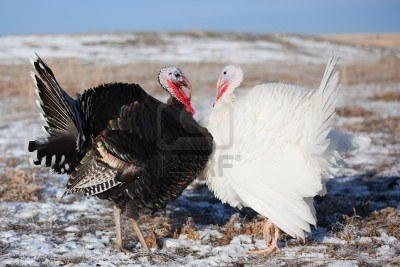
Tonight we find ourselves on the eve of American Thanksgiving and people all across the country are preparing themselves for big meals and family fun. However this holiday, almost more then any other, seems to be the most difficult for vegetarians and vegans. Thanksgiving has always been my favorite holiday, and when I first moved to the states it made me pretty happy to be able to celebrate it twice. Once in October for Canada, and once in November for America. I first went vegan on Thanksgiving Day, 2 years ago, and I thought it would be difficult, but it wasn’t. I had already been vegetarian for nearly six months by then and the switch was easy. I didn’t feel as thought last year was particularly difficult for me either, mentally or emotionally. I prepared a wealth of vegan foods and treats and ignored the things on the table that I didn’t want to see. This year however I feel a deep twinge of sadness. Thanksgiving is suppose to be a day of thanks, a day of peace, a time for us to sit and think, and reflect on our lives and on our year. It’s a time for us to appreciate what we have and give thanks for it. Yet everywhere I go this year I’m faced with the reality of what this holiday truly is. It’s a celebration of carnage, it’s a day of violence, and cruelty, and people everywhere turn a blind eye to it in the name of - or for the sake of - ‘tradition.’ Last year I wrote a post detailing how the Thanksgiving ‘traditions’ that we cling to today are the furthest thing from traditional, if you’re interested you can read that here - Thanksgiving: Reexamining Traditions - This year I find the myths and lies of Thanksgiving just a little harder to swallow, but mostly I just feel sad. I feel a deep, resonating sadness for the millions of Turkeys who’s lives are being extinguished in the name of thanks.


Roughly 46 million turkey’s are killed in the United States each year for Thanksgiving alone. That’s a stark, astonishing number. Imagine that as people. 46 million people is the entire population of Spain. 46 million people is more then the population of Canada! There are more Turkey’s being killed in the U.S. for this one day, then there are people in Canada. If that doesn’t make you feel a little bit sick, and help put things into perspective for you I don’t know what will. It’s almost incomprehensible to me, but the worst part of it is that these beings are treated horribly, and live miserable lives. Most of them grow up in factory farmed situations where they have no connection to their family unit. They’re taken away from their parents, stuffed into cages, with other birds, beaten and mutilated. Their beaks are trimmed, their toes are clipped off, and their snoods are removed. Over the decades that we’ve been breading these poor animals for food, we’ve engineered them to have such large breasts that many of them can not walk. They are even so top heavy that they suffocate under their own weight, or their lungs and other organs collapse. Due to the way that we’ve bred them, and because of their gargantuan size, turkeys can no longer fly, and they can no longer reproduce naturally on their own. All turkeys need to be artificially inseminated.


This month the animal advocacy group Mercy For Animals released two new undercover videos that were recorded at Butterball Plants. These videos capture workers beating turkeys, stomping on their heads, throwing them into crates, throwing them across rooms, kicking them, breaking their wings, snapping their necks, throwing them into machines, poking them with pitchforks and other tools. Unfortunately the problem is not just with Butterball, every year videos emerge from different poultry producers that reveal the same things. These are common practices in the poultry industry because unlike beef cattle and pigs poultry have no protected rights. It doesn’t matter if your turkey is a factory farmed turkey, a ‘free range’ turkey, or an organic turkey. There are no cruelty standards for poultry in the U.S. and the term ‘free-range’ is a meaningless one anyway because it isn’t regulated by any governing body. Anyone can say their animals are free-range. Organic is a term that’s regulated but it has nothing to do with how the animals are treated. It only related to what the turkey’s were fed, and ensures that those turkeys weren’t given any artificial hormones or antibiotics. It doesn’t protect the turkey’s from harm.


The saddest thing about this is that Turkey’s are loving, and gentle creatures. Turkey’s raised as pets are as loving as dogs. They even follow their human caretakers around. They like to cuddle, snuggle and be petted, stroked and scratched. They will climb right into your lap and fall asleep purring. They are intelligent and happy creatures, with as much desire to live as anyone else. Mother turkey’s are very protective of their young and will risk their own life to save their babies if they perceive a threat. A mother turkey will even attack a predator to ensure the safety of her young. Turkey’s are also family orientated, and often eat their meals together as a family. A brood typically holds together for 4-5 months and male siblings in a family maintain a social bond for life. Mother turkeys teach their young babies crucial skills about what to eat, the layout of their homeland, how to avoid predators, and a variety of important social skills.


Turkeys are beautiful creatures that deserve our love, our respect, our compassion and our protection. Last year my husband and I took part in Farm Sanctuary’s “Adopt a Turkey: Don’t Eat One” program and it brought me so much joy. This year we once again adopted a turkey, a male named Gabel - as in Clarke Gabel. I encourage everyone to choose compassion over killing this year and adopt a turkey instead of eating one! There are so many wonderful vegan foods, so many great pre-packaged holiday treats, or things you can make yourself that there really isn’t any need, and you won’t miss it. Instead you’ll feel the inner peace and happiness of knowing you did something good not only for yourself but for another.

Adopt a Turkey don’t eat one! And have a lovely cruelty-free Thanksgiving this year.
Peace/Love

For more information check out these pages
Farm Sanctuary - Adopt a Turkey!
Woodstock Farm Animal Sanctuary
Holiday Feasting Vegan Style

All Images found through Google Images
Thursday, November 24, 2011
Adopt a Turkey - Don’t eat One.’ - 1 Year Vegan Birthday, and Happy American Thanksgiving...
Today is American Thanksgiving, and my one year Vegan birthday which I’m quite excited about. I went vegetarian in August of last year, but by last American Thanksgiving I was more then ready to take the plunge into veganism. I found the transition to be quite smooth actually. I’d known from the start of my vegetarian commitment that veganism was my goal, and so even though I was vegetarian I was living a mostly vegan life. When it got to the point where I was using vegan dairy products more then dairy ones, and finding my tastes towards cheese turning I decided to finally take the plunge. Thanksgiving might seem like an odd day to decide to go vegan. I know a lot of people can’t believe it when I tell them. "But how were you able to deal with all that temptation?" "But it’s the holiday." "All that food" etc.. People often consider holidays to be about food, but I consider them to be about sharing time with the people in my life. For me, because I was already devoted to vegetarianism, and veganism was something I desperately aspired to, it wasn’t difficult, and there honestly was no temptation. Once you truly make the choice to change, it doesn’t matter how much you may have loved this or that food in your previous life, you simply no longer desire it. At least that’s how it was for me. Cheese, butter, cream, eggs, milk etc... were no longer appetizing to me and so there was no temptation. Of course last Thanksgiving was a bit difficult, but it was difficult because I was the odd-woman out so to speak. My husband was not even vegetarian at that time though he fully supported me, and everyone else around me was scarfing down turkey and the fixin’s while I ate my Gardein, with mushroom gravy, Roasted Brussels sprouts, cranberry curry and cous cous.
I got a lot of stares, a lot of looks, a lot of avoidance, and a lot of questions. However when it came time for me to answer the questions posed by a very few, the majority of people sitting around the table did not want to hear what I had to say. This was probably most difficult, trying to answer someone genuinely curious, while the majority is just glaring at you to be quiet. People get very defensive when you don’t engage in their traditions, they take it as a personal affront. Bringing your own food to a holiday dinner definitely rubs some people the wrong way and for a while I was viewed by some as "Thinking I was better then them." or that I was "Militant." I got all those "Who does she think she is?" comments. Now I don’t want to give the impression that people were mean to me outright, or treated me poorly, but when you are the only vegan in the room, you certainly feel it. That was and has always been the most difficult thing for me about veganism, actually living a vegan lifestyle is easy, but it’s dealing with others that can be stressful. However that has never caused me to falter. I’ve never once compromised my values simply so I could ‘fit in’ and being able to stand up for myself and my values only makes me stronger. Today I consider going vegan to be the best thing I’ve ever done. I can’t imagine even for a second going back to the way I used to be.
This Thanksgiving is going to be much easier. I’m much more versed in veganism and can properly articulate myself when questions are asked. I don’t feel like an outsider (at least not in a bad way) and more importantly I have extra support. My husband is now vegetarian/vegan and so we will be able to eat our meal together. My friend J Is trying to be vegetarian and so she will be joining us in our meal, by bringing a spinach lasagna with tofu ricotta, as well as the chocolate raspberry blackout cake from Vegan with a Vengeance. I will bring appetizers and desserts, and we’ll have a wonderful time together.
However the best thing about this Thanksgiving for me is that my husband and I ‘adopted’ a turkey. Farm Sanctuary has an "Adopt a Turkey, Don’t eat One" program around Thanksgiving, and they’ve been doing it for years. It’s a $30 sponsor donation that you can give to a particular Turkey of your choice or $180 that you can donate to a flock. Around Thanksgiving Farm Sanctuary receives a lot of rescued turkeys some in ill-health and every bit that we can donate helps go a long way in providing a comfortable peaceful life for this beautiful majestic birds. We decided to adopt a super-cute Turkey named Victoria, and just thinking of her living the remainder of her life out in peace, with warmth, shelter, food, friends and love and care just brings a smile to my face and a lightness to my heart. Being able to take part in something so special is the best feeling in the world, I only wish I could do more. I would love to take part in their program in which you can adopt a turkey and have it come to your home, unfortunately right now that is impossible, and my neighborhood isn’t zoned for it anyway. Though one day I think it would be nice to own a good acreage of land on which I can keep rescued animals.
In closing I wish you all a wonderful and happy cruelty-free Thanksgiving, or tofurky day if you will. May your plates be full of delicious vegan fair, and may your company and conversation be inspirational. I also ask that if you’re able to, please help support these rescued turkeys by making a donation and sponsoring one this Thanksgiving. Please adopt a turkey, don’t eat one this year, it is the best holiday gift you can give yourself and they will be eternally grateful for your help.
For more information and where and how to ‘adopt’ a turkey go here....
http://www.adoptaturkey.org/aat/adopt/index.html
I got a lot of stares, a lot of looks, a lot of avoidance, and a lot of questions. However when it came time for me to answer the questions posed by a very few, the majority of people sitting around the table did not want to hear what I had to say. This was probably most difficult, trying to answer someone genuinely curious, while the majority is just glaring at you to be quiet. People get very defensive when you don’t engage in their traditions, they take it as a personal affront. Bringing your own food to a holiday dinner definitely rubs some people the wrong way and for a while I was viewed by some as "Thinking I was better then them." or that I was "Militant." I got all those "Who does she think she is?" comments. Now I don’t want to give the impression that people were mean to me outright, or treated me poorly, but when you are the only vegan in the room, you certainly feel it. That was and has always been the most difficult thing for me about veganism, actually living a vegan lifestyle is easy, but it’s dealing with others that can be stressful. However that has never caused me to falter. I’ve never once compromised my values simply so I could ‘fit in’ and being able to stand up for myself and my values only makes me stronger. Today I consider going vegan to be the best thing I’ve ever done. I can’t imagine even for a second going back to the way I used to be.
This Thanksgiving is going to be much easier. I’m much more versed in veganism and can properly articulate myself when questions are asked. I don’t feel like an outsider (at least not in a bad way) and more importantly I have extra support. My husband is now vegetarian/vegan and so we will be able to eat our meal together. My friend J Is trying to be vegetarian and so she will be joining us in our meal, by bringing a spinach lasagna with tofu ricotta, as well as the chocolate raspberry blackout cake from Vegan with a Vengeance. I will bring appetizers and desserts, and we’ll have a wonderful time together.
However the best thing about this Thanksgiving for me is that my husband and I ‘adopted’ a turkey. Farm Sanctuary has an "Adopt a Turkey, Don’t eat One" program around Thanksgiving, and they’ve been doing it for years. It’s a $30 sponsor donation that you can give to a particular Turkey of your choice or $180 that you can donate to a flock. Around Thanksgiving Farm Sanctuary receives a lot of rescued turkeys some in ill-health and every bit that we can donate helps go a long way in providing a comfortable peaceful life for this beautiful majestic birds. We decided to adopt a super-cute Turkey named Victoria, and just thinking of her living the remainder of her life out in peace, with warmth, shelter, food, friends and love and care just brings a smile to my face and a lightness to my heart. Being able to take part in something so special is the best feeling in the world, I only wish I could do more. I would love to take part in their program in which you can adopt a turkey and have it come to your home, unfortunately right now that is impossible, and my neighborhood isn’t zoned for it anyway. Though one day I think it would be nice to own a good acreage of land on which I can keep rescued animals.
In closing I wish you all a wonderful and happy cruelty-free Thanksgiving, or tofurky day if you will. May your plates be full of delicious vegan fair, and may your company and conversation be inspirational. I also ask that if you’re able to, please help support these rescued turkeys by making a donation and sponsoring one this Thanksgiving. Please adopt a turkey, don’t eat one this year, it is the best holiday gift you can give yourself and they will be eternally grateful for your help.
For more information and where and how to ‘adopt’ a turkey go here....
http://www.adoptaturkey.org/aat/adopt/index.html
Tuesday, November 22, 2011
The Life Of The Modern Domestic Turkey: From Birth, To Death, To Plate...

There’s an old saying that goes "Thanksgiving’s not a good time to be a turkey." It’s pretty commonplace and people usually say it nonchalantly with a good natured chuckle. Unfortunately the vast majority of people haven’t any idea just how much truth lies behind those words.
Between 250-300 million turkeys are slaughtered annually for their flesh in the United States, 20-40 million of those slaughters occurring at Thanksgiving each year. What the average person doesn’t know is that turkeys are beautiful and intelligent creatures with a keen awareness of their surroundings. When afforded the opportunity they are highly social and playful, making fast friends with other animals and humans alike. They love having their feathers and underbellies stroked, and relish in building nests, rearing their young and singing! Personality wise turkeys are as varied as dogs and cats, and just as loyal and loving. Yet despite their admirable qualities, their agility, and their magnificence virtually all turkeys raised in the United States are subjected to living out their lives in unbearable pain and suffering in the most horrendous conditions.
Due to the industrialization of the animal agriculture business (Factory Farming) today’s commercial turkeys bare little resemblance to their wild ancestors. Today’s commercial turkeys have been systematically bred, and genetically manipulated by the industry to grow as large as possible as fast as possible. Turkey breeders are able to (and do) manipulate ever aspect of the animals life literally from the moment of conception to their slaughter. Turkeys are selectively bred for production-related traits like fast growth and fleshier bodies. Turkey farmers after all are paid by the pound not by the bird. The heavier the bird the higher it’s monetary value. Unfortunately this system of breeding has caused significant animal-welfare issues. Since breast meat (white meat) is the most desirable, therefore yields a higher price, turkeys have been anatomically manipulated to be so heavy and large breasted that they are now incapable of reproducing naturally. Meaning virtually all turkeys raised commercially in the United States are the result of artificial insemination, which in this case is really just a ‘nice’ term for rape.
Breeding male turkeys (Toms) are typically kept in dark crowded pens for one year. During which time they are handled twice a week for ‘milking’ sessions to collect their semen. This process has the male turkey’s legs secured in a clamp on a bench, while the bird is held over the lap of a worker who induces the turkey to ejaculate. The semen is then collected in a suction hose and mixed with the semen from other toms.
For each of these breeding Males there are more then 20 breeding female turkeys (hens) who are subjected to overcrowding and abusive treatment. Twice a week these breeding hens are herded into a room and then one after another they are held upside down, "Cracked open" (A term used by the Industry) and inseminated in an assembly line fashion. As with the male turkeys the females legs are clamped in metal forceps while the workers race to inseminate between 1200 to 1400 hens within a two hour period.
Toms and Hens used for breeding are typically slaughtered before their second birthday and then used for low grade processed turkey meat products. The turkeys raised on factory farms are hatched in large incubators and never see their mothers nor feel the warmth and safety of a familial nest. When they are only just a few weeks old the baby turkeys are moved into filthy, windowless sheds with thousands of other turkeys, where they will spend the rest of their lives, never setting foot outside.
The overcrowded and filthy conditions in these sheds is so unbearable, and stressful that often times turkeys will take out their frustrations on one another by pecking or attacking other birds. To prevent the turkeys from killing one another under these horrible conditions parts of the turkeys beaks and toes are cut off in a process called ‘de-beaking’ or ‘de-toeing.’ the males snoods (the flap of skin located under the chin) are also typically removed, and all this is done without numbing or pain relievers. Millions of turkeys don’t even make it past their first few weeks of life as the conditions are so stressful they’ve been known to induce a condition referred to as ‘starve out’ which causes the young birds to simply stop eating, and so they starve to death.
As already mentioned turkeys are systematically bred to grow as large as possible as fast as possible. In 1970 the average turkey weighed 17 pounds, today a male or female can be as much as 28-38 pounds when brought to slaughter. Inability to breed naturally isn’t the only problem related to the birds unnatural growth. Commercially raised turkeys are now so obese that they can not fly, and many can barely walk, while their wild ancestors are capable of flight of up to 55 mph for short distances. Their unnatural size also causes many birds to die of organ failure or heat attack, or worse a turkey’s organs can be crushed internally by it’s own grotesque weight. Often times this happens before the birds are even six months old. They also suffer regularly from collapsed lungs, swollen joints and crippled feet. According to one industry publication, modern turkeys grow so quickly that if a 7 pound human baby grew at the same rat it would weight 1,500 pounds at just 18 weeks of age.
At 14-18 weeks of age turkeys are ready for slaughter, but the transportation conditions are no better then those of the sheds they’ve been forced into for their entire lives. At the time of transport workers will often grab turkeys by their legs and throw them violently into crates. Several turkeys are crammed into each crate, making it almost impossible for them to move. The overcrowded crates are then stacked on the backs of trucks. The turkeys are given no food and no water before or during transport and because of this many turkeys are already dead upon arrival at the slaughterhouse. During winter conditions are so bad that many turkeys freeze to death before reaching the slaughterhouse, or even have their limbs freeze to the crates while in transit. When it’s time to remove the turkeys from the crates, if these partially frozen turkeys are even still alive they are often forcibly removed from the crates, leaving their frozen limbs severed in the crates behind them. During summer transports many turkeys die of heat stress, heat exhaustion or dehydration as it’s legal to transport farm animals for up to 36 hours without food, water or rest.
In fact Turkeys (as all poultry, chickens, ducks, geese etc..) have no legal protection or status. The USDA continually refuses to protect Turkeys and other birds in it’s enforcement of the Humane Slaughter Act. So if the life of a turkey wasn’t already bad enough, their death by slaughter isn’t any quicker, easier or painless.
At the slaughterhouse turkeys are routinely shackled upside down by their feet along a moving rail while still fully conscious. On their first stop along the moving rail the turkey’s heads are submerged in an electrified ‘stunning tank’ which immobilizes them, but doesn’t render most of them unconscious. Their throats are then slit by a mechanical blade and they are left to ‘bleed out’ as they continue along the rail. However due to the extreme speed at which the rail moves, the large amount of turkeys that are processed in just one hour let alone a full day, and the inaccuracy of the mechanical blade, many turkeys are missed and continue on from this step fully conscious and alive. The turkeys are then submerges in the scalding tank to remove their feathers. Many of the turkeys are still alive at this point, and so are essentially boiled alive.
If the process of slaughter itself weren’t cruel enough there are numerous undercover videos and investigations that have taken place over the past few years revealing even more unthinkable egregious acts of animal-cruelty that have now become commonplace within the industry. Turkeys with broken wings, legs, bloody open wounds, tumors, and other untreated injuries have been seen slaughtered for human consumption. Workers have been caught punching live shackled turkeys for fun as they move along the assembly line. Employees have been witness forcefully shoving their fists or feet into the vaginal and anal cavities of turkeys and chickens. Employees have been seen throwing live turkeys and chickens across rooms, up in the air, onto the floor, into machinery while still conscious. Workers have been caught ripping the heads off of live turkeys, stomping on turkeys heads, wings, legs, and bodies. Kicking them, stabbing them, and crushing them under the wheels of trucks.
The atrocities committed in Turkey slaughterhouses all across the country are innumerable and horrible. No being, wether human or animal - should ever have to endure such senseless cruelty, and suffering. These are living, breathing creatures with feelings and individual personalities, deserving of our respect, and our compassion. Treating any creature in this way makes us no better then the most awful participants of human genocide, and blindly continuing to support an industry that deems these atrocities as ‘okay’ makes us no better then the monsters committing the acts. Thanksgiving should be a wonderful time of joy and celebration. Celebration for all that you have, and a time to reflect on the good in your life and give thanks for it, yet for so many beings this day and all those leading up to it are nothing but a twisted nightmare. People stupidly offer thanks to the dead turkey carcase that becomes the center piece of their diningroom table on this day. Thanking the turkey for ‘giving it’s life’ so that we may revel in it’s ill-begotten flesh, but no turkey ever willingly gave it’s life so that it could sit on our dinner plate. The reality is that we continue to choose to murder these birds, and to support these acts of cruelty out of our own greed, fear and inability to change. We call it ‘tradition’ but as I discussed in my post 'Thanksgiving - Reexamining Traditions' is absolutely nothing traditional about eating turkey on Thanksgiving. In fact seeing as how we only due so because of the insistence of one woman, it’s really more traditional not to eat turkey. Yet we continue to do so, citing tradition because it’s easy, because it’s what we’ve always done, but if being part of such mindless cruelty is something you consider easy then count me out.
I don’t say these things lightly nor do I say them to be mean, I say them because I know, because I used to be that person too. For years I happily and greedily ate my turkey, offering foolish words of thanks for it’s ‘sacrifice’ and never giving a moments thought about the process that brought that turkey to my plate. Once the reality of the situation made itself clear to me however I realized I had to change. I am at heart a compassionate person, and I believe in the equality of all beings. I don’t believe you can live a fully compassionate life if you continue to engage in practices that contribute to such cruelty. After all there is nothing compassionate about the systematic manipulation and murder of millions of turkeys a year. My inner values don’t align with these practices and so as a vegan I’m happy I no longer have to defend myself against them.
So for yourselves but more importantly for the turkeys make the compassionate choice this year and choose a turkey free Thanksgiving. It’s really not as hard as you think, and it’s oh so worth it, especially with so many great vegan food options out there!

For more information check out -
http://www.farmsanctuary.org/mediacenter/turkey_ai.html
http://www.onegreenplanet.org/lifestyle/thanksgiving-a-time-for-gratitude-celebration-peace-and-reflection/
http://www.mercyforanimals.org/hor/
PS: Images found through Google images.
Friday, September 9, 2011
Farm Sanctuary Charity Walk - REMINDER...
Hey everyone , just a reminder, it’s September 9th and our Farm Sanctuary walk is only 1 day away. We’ll be walking on Saturday September 10th to raise money and awareness to stop cruelty towards animals. Our goal is to raise $500 and so far we’ve raised $365, that means we’re only $135 away from reaching our goal!!! We’re really excited to be participating in this event, because it’s an issue we feel so passionate about, and we look forward to your support.
If you haven’t donated yet, we hope you will consider it. No matter how much you’re able to give every dollar counts, especially when it’s going to such a good cause. Whether it’s $1 or $10 we appreciate your help and support.
Thank you so much to those who have already donated. With so much hatred in this world any kindness we show to another being can only reflect positively upon us!
So if you’re interested in making a donation please visit our Team page, ‘The Good Karma Kitchen’ and click on either My or Matthew’s name to donate.
http://events.walkforfarmanimals.org/index.cfm?fuseaction=donorDrive.team&eventID=501&teamID=5375
Just make sure you get your donations in by 8:30am tomorrow Saturday September 10th. We’ll be walking bright and early!!!
Thank you so much for your support.
Peace, Love and Compassion
Kyleigh & Matthew
If you haven’t donated yet, we hope you will consider it. No matter how much you’re able to give every dollar counts, especially when it’s going to such a good cause. Whether it’s $1 or $10 we appreciate your help and support.
Thank you so much to those who have already donated. With so much hatred in this world any kindness we show to another being can only reflect positively upon us!
So if you’re interested in making a donation please visit our Team page, ‘The Good Karma Kitchen’ and click on either My or Matthew’s name to donate.
http://events.walkforfarmanimals.org/index.cfm?fuseaction=donorDrive.team&eventID=501&teamID=5375
Just make sure you get your donations in by 8:30am tomorrow Saturday September 10th. We’ll be walking bright and early!!!
Thank you so much for your support.
Peace, Love and Compassion
Kyleigh & Matthew
Wednesday, August 17, 2011
Farm Sanctuary’s Walk for Farm Animals In Chicago...
Dear Family, Friends, and Readers I have some exciting news to share with you all today!
On September 10th 2011, Me and Matthew will be participating in Farm Sanctuary’s "Walk for Farm Animals" In Chicago. It’s a Charity Fundraising event put on by Farm Sanctuary (A not for profit organization) dedicated to the rescue and rehabilitation of abused and neglected farm animals. They’re a wonderful organization dedicated to abolishing the cruel, unnecessary factory farm practices that have become common place. They run the largest rescue and refuge network for farmed animals in North America. With a 175 acre shelter in Upstate New York, and a 300 acre shelter in California, Farm Sanctuary provides lifelong care and rehabilitation to the farm animals they rescue.
Many people are unaware that farm animals are excluded from most federal and state anti-cruelty laws, therefore animals used for food production are legally subjected to intolerable suffering and intense cruelty. Laws are enacted and meant to reflect our social values but the laws currently on the books addressing how animals are treated on farms are wildly inconsistent with popular concerns. Farm Sanctuary works tirelessly on campaigns targeted at abolishing inhumane, unconscionable animal cruelty by helping to change policies, laws, and corporate practices that aren’t inline with popular sentiments and the public’s moral values.
The inhumane treatment of animals of all breeds, be they cats, dogs, pigs, cows, seals etc... has become an issue very dear to Matthew and my hearts which is why we have decided to participate in this fundraising event and why we need your help. We are hoping to raise a minimum of $500 for Farm Sanctuary to help them continue the great work that they do. So if there’s a special pet in your life, and you feel strongly about abolishing animal-cruelty then we humbly ask you to support us in our walk, with donations of $5, $10, $15, $20, $25 or however much or little you feel comfortable with. This is the perfect opportunity for us to practice compassion for others, and come together on an important issue in the hopes of making a difference and raising awareness.
You already know of course that we’re vegan/vegetarian, but you don’t have to be. No matter what your dietary or lifestyle choices may be I think we can all agree that the animals on our plates should come to us humanely, and that cruelty should have no place in this world. Supporting this wonderful cause is one step forward in changing that.
Thank you so much for your time and your help. All Donations are very greatly appreciated.
Peace & Love
Kyleigh & Matthew,
To make a donation you can go to ourTeam Page - http://events.walkforfarmanimals.org/index.cfm?fuseaction=donorDrive.team&eventID=501&teamID=5375
For more information about Farm Sanctuary and the great work that they do, check out their website here - http://www.farmsanctuary.org/index.html -
PS: Remember the walk is September 10th so get your donations in by September 9th!
PPS: Please spread the word, if you have friends, family members, co-workers or acquaintances you think might be interested in contributing to this cause please pass on the information of how and where they can donate. Forward this email, or cross-post it to your facebook and twitter accounts to get the word out.
On September 10th 2011, Me and Matthew will be participating in Farm Sanctuary’s "Walk for Farm Animals" In Chicago. It’s a Charity Fundraising event put on by Farm Sanctuary (A not for profit organization) dedicated to the rescue and rehabilitation of abused and neglected farm animals. They’re a wonderful organization dedicated to abolishing the cruel, unnecessary factory farm practices that have become common place. They run the largest rescue and refuge network for farmed animals in North America. With a 175 acre shelter in Upstate New York, and a 300 acre shelter in California, Farm Sanctuary provides lifelong care and rehabilitation to the farm animals they rescue.
Many people are unaware that farm animals are excluded from most federal and state anti-cruelty laws, therefore animals used for food production are legally subjected to intolerable suffering and intense cruelty. Laws are enacted and meant to reflect our social values but the laws currently on the books addressing how animals are treated on farms are wildly inconsistent with popular concerns. Farm Sanctuary works tirelessly on campaigns targeted at abolishing inhumane, unconscionable animal cruelty by helping to change policies, laws, and corporate practices that aren’t inline with popular sentiments and the public’s moral values.
The inhumane treatment of animals of all breeds, be they cats, dogs, pigs, cows, seals etc... has become an issue very dear to Matthew and my hearts which is why we have decided to participate in this fundraising event and why we need your help. We are hoping to raise a minimum of $500 for Farm Sanctuary to help them continue the great work that they do. So if there’s a special pet in your life, and you feel strongly about abolishing animal-cruelty then we humbly ask you to support us in our walk, with donations of $5, $10, $15, $20, $25 or however much or little you feel comfortable with. This is the perfect opportunity for us to practice compassion for others, and come together on an important issue in the hopes of making a difference and raising awareness.
You already know of course that we’re vegan/vegetarian, but you don’t have to be. No matter what your dietary or lifestyle choices may be I think we can all agree that the animals on our plates should come to us humanely, and that cruelty should have no place in this world. Supporting this wonderful cause is one step forward in changing that.
Thank you so much for your time and your help. All Donations are very greatly appreciated.
Peace & Love
Kyleigh & Matthew,
To make a donation you can go to ourTeam Page - http://events.walkforfarmanimals.org/index.cfm?fuseaction=donorDrive.team&eventID=501&teamID=5375
For more information about Farm Sanctuary and the great work that they do, check out their website here - http://www.farmsanctuary.org/index.html -
PS: Remember the walk is September 10th so get your donations in by September 9th!
PPS: Please spread the word, if you have friends, family members, co-workers or acquaintances you think might be interested in contributing to this cause please pass on the information of how and where they can donate. Forward this email, or cross-post it to your facebook and twitter accounts to get the word out.
Monday, August 15, 2011
Companies That DO NOT Test On Animals....
As promised here is a list of companies that DO NOT Test their products on animals. It is by no means a complete list but I do think it’s a great jumping off point. Too many companies test their products on innocent animals, however there are many more who are committed to creating cruelty-free and compassionate alternatives. For everything from cosmetics, clothing, pet care products and pet foods, skin care, hair care, sun care, household cleaners, herbal medicine, vitamins etc... Whatever it is you’re looking fore, you can find a compassionate alternative. The only thing you’ll want to watch out for is that while many of these companies are Vegan (Meaning not only do they not test their products on animals but their products also do not contain any animal ingredients) not all of them are. So if that’s a concern for you just double check, and be sure to check out a full list of cruelty-free companies at http://www.peta.org/ Also, if you have a product you’re concerned about, that you didn’t see either on the list of companies that do test, or the list of companies that don’t test, don’t be shy about emailing the company and asking them yourself.
With such an extensive list of companies dedicated to creating cruelty-free, holistic, and organic products there is absolutely no reason why we need to continue to support companies that ignorantly engage in the horrible and outdated practice of animal testing. If you care about animal-welfare then speak up for those who have no voice by putting your money where your ethics are, and switch to cruelty-free living. I know a lot of people become very daunted when faced with these kinds of facts but remember that there’s no one saying you have to do it all over night. You can take it slow, work towards this as your goal, set your own pace. Remember that doing something, anything is better then doing nothing, and that just because you can’t do it all right away it doesn’t mean you shouldn’t do anything at all. Every action we take against cruelty is a step forward, and this list is a great place to start.
Companies That DO NOT Test On Animals....
100% Pure
2 Beauty Ex., Inc.
4mula
A Different Daisy
A Mano Bath
A Perfume Organic
A Wild Soap Bar
ABBA Pure and Natural Hair Care
Abercrombie & Fitch
Abra Therapeutics
Absolute Miracle
Absolute Soap (Product Body)
Acquarella Polish
Adolfo Dominguez (Puig)
Adorn Mineral Cosmetics
Advantage Wonder Cleaner
Advanced Beauty Tools
Advanced Botanical Research
Aeon Botanica
Affordable Mineral Makeup
Afrumos
After Inked, LLC
Afterglow Cosmetics
AG Hair Cosmetics
Agape & Zoe Naturals
Agape by DK
Agatha Ruiz de la Prada (Puig)
Ageless Fantasy
Agua Brava (Puig)
AHAVA
Ainterol Natural Products
Alba Botanica
Alchemilla Pure Skin Care
Alexami Cosmetics
Alima Cosmetics Inc
All Terrain
Aliens Naturally
All-Nutrient (Chuckles Inc)
Ally’s AromaRemedies
Almay
Almo Nature
Aloe Up
Aloe Vera of America
Aloette Cosmetics
Aloxxi
Alpen Secrets
Alvin Corner
Amal Oils
Amazing Cosmetics Inc
Amazon Premium Products
American Formulating and Manufacturing
American International
American Safety Razor
America’s Finest Products Corporation
Amina Cosmetics
Amore Pet Services Inc
Anastasia Beverly Hills
Ancient Formulas
Andrea International Industries
Animal Food Services
Anise Cosmetics
Anna Marie’s Aromatherapy and Massage
Anthology Organic
Antonio Banderas Fragrances (Puig)
Anya Natural
Apala Hair
Apothecary Blend
Apothecary Shoppe
Aqua Blue Secret
Aqua Dessa
Arbonne International
Ardell International
Arden & Angelina Vintage Skincare
Arganat Inc
Arissa Studios (Beauty 21)
Aroma Bella
Aroma Crystal Therapy
Aroma Naturals
Aroma Vera
Aromacare Victoria
AromaHerbal Healing (Shankara)
Aromaland
Aromatherapy by Whole Spectrum
Artemis Pet Food
Ashi Therapy
Astonish Industries Inc
At Last Naturals
Attitude Eco-Friendly Certified Cleaning Products
Au Natural Botanicals
Aubrey Organics Inc
Augisa & Co.
Aunt Bee’s Skin Care
Aura Cacia
Aurora’s Closet
Aus Bush Flower Essences
Aussie Mineral Makeup
Austen Rose
Avalon Organics
Aveda
Avocado Dreamin LLC
Awakening Mineral Therapies
Ayana Organics
Ayurveda Holistic Center
B Never Too Busy To Be Beautiful
Borlind of Germany Inc
B4 Brands
Baby Bear Shop
Baby Girl Products
Baby’s Bliss and Mommy’s Bliss
Balm Envy
Bamboo Aesthetics
Bamboo Aromas
Bamboo Elements
Bamboo Minerals
Bamboo Zen
Bare Escentuals
Bare Organics
Barefaced Mineral Cosmetics
Bath & Body Works
Bath Island
Bayse Natural Care
Bazil Essentials
Be Green Bath & Body
Be Natural Organics
Beauty Control
Beautiful Earth
Beauty 21
Beauty Bliss Cosmetics
Beauty Without Cruelty
Bee Mine Products Inc
Beecology
Bella Bardot
Bella Lucce
Bella Mira Essential Oils
Belle & Bianca
Belle’s Botanicals
Berol
Better Botanicals
Beverly Hills Cold Wax
Big Moon Mountain
Bioethique Organic Cosmetics
Bio-Kleen
Biologika
Black Corset Candles
Black Radiance
Black Tai Salt Company
Blooming Lotus
Blue Moon Candles
Bob’s Red Mill
Body Bakery, The
Body Bistro
Body Butter Factory
Body Crystal Inc
Body Shop, The
Bonicca
Booda Organics
Boston Baked Bonz
Botanical Skin Works
Botanics Skin Care
Brooklan Tree
Brookside Soap Company
Bubble & Bee Organic
Bug Off
Bugs B Wear
Burt’s Bees
C.O. Bigelow
Cactus & Ivy
Candy Kisses Natural Lip Balm
Carmex
Carrot Tree Soaps & Essentials
Celestial Body Inc
Cheeky Cosmetics
Christine Marie Cosmetics
CiCi Cosmetics
Clarins of Paris
Classic Beauty
Clean Kids Naturally
CleanWell Company
Clear Conscious
Clearly Natural Products
Coastal Classic Creations
Cocoa Pink
Color Me Beautiful
Coola Suncare
Corrective Skin Care
Cosmic Tree Essentials
Crabtree & Evelyn Cosmetics
Crystal Body Deodorant
Daisy Blue Naturals
Desert Essence
Desert Moon Bath & Body
Destiny Boutique
Duchess Cosmetics
E.L.F. Cosmetics
Earth Alive
Earth Friendly Products
Earth Goddess Minerals
Earth Science
Earth Spirit Natural Home
Earthlight Organics
Ecco Bella Botanicals
Eco Concepts
Eco Lips Inc
Eco Minerals
EcoGlow Minerals
Eco-Nature Care
Ed Hardy Habit
Eden’s Kiss
Elemental Herbs
ELON Nail & Skin Essentials
Everyday Esthetics
Everyday Minerals
Freeda Vitamins
Fresh Body Market
Fruit of the Earth
Fudge
Furless
FX Special Effects
Galgon
Garden Girl
Garden of Eve Skincare
Giovanni Cosmetics
Glam Nation
gloProffessional
Gluten Free Beauty
Golden Earth
Golden Path Alchemy
Grapeseed Company, The
Great American, The Wholefood Farmacy
Green 4 Your Soul
Green Babies
Green Forest
Green Girl Basics
Green Ritual Organics
Gustavo Cosmetics
H20 Plus
Halloween Moon Creations
Hannah’s Handprints
Hard Candy
Healing Scents
Hello Kitty
Herbal Clear
Herbology
Hippy Heaven Natural Beauty
Honest Kitchen, The
Hugo Natural Products
ILONA
Jabon Natural Company
JASCO Organics, Inc
Jason Natural Cosmetics
Kiss My Face
Kiss Products
L.A. Girl
L’Occitane
La Bella Pink
Lacovit (Puig)
Lady of the Lake
Lamas Beauty
LaRocca Skincare
Lather
Life Garden
Lilly’s Naturals
Lip-Ink International
Little Moon Essentials
Little Twig
Liz Claiborne Cosmetics
Looloos Escape
Lotus Body Botanicals
Lotus Moon Natural Skin Care
Lucky Tiger
LUSH Cosmetics
Magic of Aloe
Magick Botanicals
Malibu Fragrance
Malibu Sun Products
Mango (Puig)
Manic Panic
Medusa’s Makeup
MESS Makeup
Mia Rose Products Inc
Mineral Fusion Cosmetics
Mixed Chicks
Mod Skin Labs
Mountain Girl Botanics
Mountain Girl Soap &Sundries
My Lip Stuff
Mystic Wonders
Mystique Products
Naava Inc
Nadarra Skin Care
Nadina’s Cremes
Nail-Aid
Natural Bodycare Company
Natural Chemistry
Natural Salt Lamps
Naturally Fresh Crystal Deodorant
Nature Clean
NewLeaf Clean LLC
Newman’s Own Organics
Nirvana
Nuvo Cosmetics
Ocean Potion
Opulence Cosmetics
Organic Grooming
Organic Indulgence
Osea International
Pangea Organics
Pharmacopia
Pink Beauty Cosmetics
Pink Quartz Minerals
Planet Botanicals
Pomegranate Body
Prada
Prestige Cosmetics
Prima Pet Foods
Puig USA
Rainbow Brite
Raven Odara
Ravenwood Gardens
Raw Advantage Inc
Rejuva Minerals
Revlon
Safeway
Sanford
Seaside Naturals
Secret Garden
Seventh Generation
Shave Inc
She Zen Beauty
Shea Moisture
Siren Beauty
Soapworks
Sound Earth LLC
South Beach Skincare
SpaGlo Beauty
St. John’s Botanicals
Timberwolf Organics Inc
Tom’s of Maine
Too Faced Cosmetics
Touch of Nature Body & Bath
Trader Joe’s Company
Twig & Leaf Botanicals
Urban Decay
UV Natural Sunscreen
V Glam Cosmetics
Victoria’s Secret
Vital Earth Traditions
Vitamin Shampoo
Wachter’s Organic Sea Products
Warm Earth Cosmetics
Wet n Wild
Whole Foods Market 365
Wildflower Organic Body Care
PS. Tomorrow I promise to return with an actual food related post.
With such an extensive list of companies dedicated to creating cruelty-free, holistic, and organic products there is absolutely no reason why we need to continue to support companies that ignorantly engage in the horrible and outdated practice of animal testing. If you care about animal-welfare then speak up for those who have no voice by putting your money where your ethics are, and switch to cruelty-free living. I know a lot of people become very daunted when faced with these kinds of facts but remember that there’s no one saying you have to do it all over night. You can take it slow, work towards this as your goal, set your own pace. Remember that doing something, anything is better then doing nothing, and that just because you can’t do it all right away it doesn’t mean you shouldn’t do anything at all. Every action we take against cruelty is a step forward, and this list is a great place to start.
Companies That DO NOT Test On Animals....
100% Pure
2 Beauty Ex., Inc.
4mula
A Different Daisy
A Mano Bath
A Perfume Organic
A Wild Soap Bar
ABBA Pure and Natural Hair Care
Abercrombie & Fitch
Abra Therapeutics
Absolute Miracle
Absolute Soap (Product Body)
Acquarella Polish
Adolfo Dominguez (Puig)
Adorn Mineral Cosmetics
Advantage Wonder Cleaner
Advanced Beauty Tools
Advanced Botanical Research
Aeon Botanica
Affordable Mineral Makeup
Afrumos
After Inked, LLC
Afterglow Cosmetics
AG Hair Cosmetics
Agape & Zoe Naturals
Agape by DK
Agatha Ruiz de la Prada (Puig)
Ageless Fantasy
Agua Brava (Puig)
AHAVA
Ainterol Natural Products
Alba Botanica
Alchemilla Pure Skin Care
Alexami Cosmetics
Alima Cosmetics Inc
All Terrain
Aliens Naturally
All-Nutrient (Chuckles Inc)
Ally’s AromaRemedies
Almay
Almo Nature
Aloe Up
Aloe Vera of America
Aloette Cosmetics
Aloxxi
Alpen Secrets
Alvin Corner
Amal Oils
Amazing Cosmetics Inc
Amazon Premium Products
American Formulating and Manufacturing
American International
American Safety Razor
America’s Finest Products Corporation
Amina Cosmetics
Amore Pet Services Inc
Anastasia Beverly Hills
Ancient Formulas
Andrea International Industries
Animal Food Services
Anise Cosmetics
Anna Marie’s Aromatherapy and Massage
Anthology Organic
Antonio Banderas Fragrances (Puig)
Anya Natural
Apala Hair
Apothecary Blend
Apothecary Shoppe
Aqua Blue Secret
Aqua Dessa
Arbonne International
Ardell International
Arden & Angelina Vintage Skincare
Arganat Inc
Arissa Studios (Beauty 21)
Aroma Bella
Aroma Crystal Therapy
Aroma Naturals
Aroma Vera
Aromacare Victoria
AromaHerbal Healing (Shankara)
Aromaland
Aromatherapy by Whole Spectrum
Artemis Pet Food
Ashi Therapy
Astonish Industries Inc
At Last Naturals
Attitude Eco-Friendly Certified Cleaning Products
Au Natural Botanicals
Aubrey Organics Inc
Augisa & Co.
Aunt Bee’s Skin Care
Aura Cacia
Aurora’s Closet
Aus Bush Flower Essences
Aussie Mineral Makeup
Austen Rose
Avalon Organics
Aveda
Avocado Dreamin LLC
Awakening Mineral Therapies
Ayana Organics
Ayurveda Holistic Center
B Never Too Busy To Be Beautiful
Borlind of Germany Inc
B4 Brands
Baby Bear Shop
Baby Girl Products
Baby’s Bliss and Mommy’s Bliss
Balm Envy
Bamboo Aesthetics
Bamboo Aromas
Bamboo Elements
Bamboo Minerals
Bamboo Zen
Bare Escentuals
Bare Organics
Barefaced Mineral Cosmetics
Bath & Body Works
Bath Island
Bayse Natural Care
Bazil Essentials
Be Green Bath & Body
Be Natural Organics
Beauty Control
Beautiful Earth
Beauty 21
Beauty Bliss Cosmetics
Beauty Without Cruelty
Bee Mine Products Inc
Beecology
Bella Bardot
Bella Lucce
Bella Mira Essential Oils
Belle & Bianca
Belle’s Botanicals
Berol
Better Botanicals
Beverly Hills Cold Wax
Big Moon Mountain
Bioethique Organic Cosmetics
Bio-Kleen
Biologika
Black Corset Candles
Black Radiance
Black Tai Salt Company
Blooming Lotus
Blue Moon Candles
Bob’s Red Mill
Body Bakery, The
Body Bistro
Body Butter Factory
Body Crystal Inc
Body Shop, The
Bonicca
Booda Organics
Boston Baked Bonz
Botanical Skin Works
Botanics Skin Care
Brooklan Tree
Brookside Soap Company
Bubble & Bee Organic
Bug Off
Bugs B Wear
Burt’s Bees
C.O. Bigelow
Cactus & Ivy
Candy Kisses Natural Lip Balm
Carmex
Carrot Tree Soaps & Essentials
Celestial Body Inc
Cheeky Cosmetics
Christine Marie Cosmetics
CiCi Cosmetics
Clarins of Paris
Classic Beauty
Clean Kids Naturally
CleanWell Company
Clear Conscious
Clearly Natural Products
Coastal Classic Creations
Cocoa Pink
Color Me Beautiful
Coola Suncare
Corrective Skin Care
Cosmic Tree Essentials
Crabtree & Evelyn Cosmetics
Crystal Body Deodorant
Daisy Blue Naturals
Desert Essence
Desert Moon Bath & Body
Destiny Boutique
Duchess Cosmetics
E.L.F. Cosmetics
Earth Alive
Earth Friendly Products
Earth Goddess Minerals
Earth Science
Earth Spirit Natural Home
Earthlight Organics
Ecco Bella Botanicals
Eco Concepts
Eco Lips Inc
Eco Minerals
EcoGlow Minerals
Eco-Nature Care
Ed Hardy Habit
Eden’s Kiss
Elemental Herbs
ELON Nail & Skin Essentials
Everyday Esthetics
Everyday Minerals
Freeda Vitamins
Fresh Body Market
Fruit of the Earth
Fudge
Furless
FX Special Effects
Galgon
Garden Girl
Garden of Eve Skincare
Giovanni Cosmetics
Glam Nation
gloProffessional
Gluten Free Beauty
Golden Earth
Golden Path Alchemy
Grapeseed Company, The
Great American, The Wholefood Farmacy
Green 4 Your Soul
Green Babies
Green Forest
Green Girl Basics
Green Ritual Organics
Gustavo Cosmetics
H20 Plus
Halloween Moon Creations
Hannah’s Handprints
Hard Candy
Healing Scents
Hello Kitty
Herbal Clear
Herbology
Hippy Heaven Natural Beauty
Honest Kitchen, The
Hugo Natural Products
ILONA
Jabon Natural Company
JASCO Organics, Inc
Jason Natural Cosmetics
Kiss My Face
Kiss Products
L.A. Girl
L’Occitane
La Bella Pink
Lacovit (Puig)
Lady of the Lake
Lamas Beauty
LaRocca Skincare
Lather
Life Garden
Lilly’s Naturals
Lip-Ink International
Little Moon Essentials
Little Twig
Liz Claiborne Cosmetics
Looloos Escape
Lotus Body Botanicals
Lotus Moon Natural Skin Care
Lucky Tiger
LUSH Cosmetics
Magic of Aloe
Magick Botanicals
Malibu Fragrance
Malibu Sun Products
Mango (Puig)
Manic Panic
Medusa’s Makeup
MESS Makeup
Mia Rose Products Inc
Mineral Fusion Cosmetics
Mixed Chicks
Mod Skin Labs
Mountain Girl Botanics
Mountain Girl Soap &Sundries
My Lip Stuff
Mystic Wonders
Mystique Products
Naava Inc
Nadarra Skin Care
Nadina’s Cremes
Nail-Aid
Natural Bodycare Company
Natural Chemistry
Natural Salt Lamps
Naturally Fresh Crystal Deodorant
Nature Clean
NewLeaf Clean LLC
Newman’s Own Organics
Nirvana
Nuvo Cosmetics
Ocean Potion
Opulence Cosmetics
Organic Grooming
Organic Indulgence
Osea International
Pangea Organics
Pharmacopia
Pink Beauty Cosmetics
Pink Quartz Minerals
Planet Botanicals
Pomegranate Body
Prada
Prestige Cosmetics
Prima Pet Foods
Puig USA
Rainbow Brite
Raven Odara
Ravenwood Gardens
Raw Advantage Inc
Rejuva Minerals
Revlon
Safeway
Sanford
Seaside Naturals
Secret Garden
Seventh Generation
Shave Inc
She Zen Beauty
Shea Moisture
Siren Beauty
Soapworks
Sound Earth LLC
South Beach Skincare
SpaGlo Beauty
St. John’s Botanicals
Timberwolf Organics Inc
Tom’s of Maine
Too Faced Cosmetics
Touch of Nature Body & Bath
Trader Joe’s Company
Twig & Leaf Botanicals
Urban Decay
UV Natural Sunscreen
V Glam Cosmetics
Victoria’s Secret
Vital Earth Traditions
Vitamin Shampoo
Wachter’s Organic Sea Products
Warm Earth Cosmetics
Wet n Wild
Whole Foods Market 365
Wildflower Organic Body Care
PS. Tomorrow I promise to return with an actual food related post.
Saturday, August 13, 2011
Companies That Test On Animals....
As promised, here is a list of companies that are known to test their products on animals. I can’t say that this is a complete list so if you’re concerned about a company that you don’t see listed here you can always send them an inquiry email. There are a lot of companies on this list, more then I was aware of. It saddens me greatly to look around and realize that I own some of the products made by these companies. Some products I thought were better alternatives turned out to be just as bad if not worse, but how are we to know when animal-testing isn’t an issue that gets much if any media attention these days? These companies are rich, powerful and popular and flood the market with their endless array of cruel products, all the while leading us to believe that they are a happy, responsible, and superior alterative. It seems there isn’t a grocery or department store around that doesn’t sell products from at least a dozen (it not more) of the companies listed here. However cruelty-free alternatives do exist, and I strongly urge you to seek them out, and boycott these companies until they move away from the archaic methods of animal testing. There is absolutely no reason why cleaning products and makeup need to continually be tested on animals. If there are companies out there who have found a way to create good, superior, reliable products without testing them on animals then these companies should be able to do so as well. The fact that they don’t just shows how ignorant, irresponsible, and uncaring they really are. I know that I do not want to be part of such a horrendous practice, I don’t want my money to support the cruel and atrocious practice of animal-testing, and so I’m quickly switching over all of my products. I hope you will do the same.
Companies that test on animals....
Acuvue (Johnson & Johnson)
Aim (Church & Dwight)
Air Wick (Reckitt Benckiser)
Alcon Labs
Allergan, Inc.
Always (Proctor & Gamble)
Ambi (Proctor & Gamble)
Answer
Aquafresh (GlaxoSmithKline)
Arm & Hammer (Church & Dwight)
ArmorAll (Clorox)
Arrid (Church & Dwight)
Aussie (Proctor & Gamble)
Aveeno (Johnson & Johnson)
Axe (Unilever)
Aziza
Bain de Soleil
Band-Aid (Johnson & Johnson)
Ban Roll-on
Banana Boat
Bausch & Lomb
Benckiser
BenGay
Bic Corporation
Biotherm (L’Oreal)
Block Drug Co. Inc.
Bounty
Boyle-Midway
Bristol-Myers Squibb Co.
Cacherel (L’Oreal)
Calgon
Carefree (Johnson & Johnson)
Cargill
Carpet Fresh
Carter-Wallace
Chapstick (Pfizer)
Chesebrough-Ponds
Christina Aguilera Perfumes (Proctor & Gamble)
Church & Dwight (Arm & Hammer)
Clarion
Clairol (Proctor & Gamble)
Clean & Clear (Johnson & Johnson)
Clearasil (Reckitt Benckiser)
Clear Choice
Clorox
Close-Up (Church & Dwight)
Colgate-Palmolive Co.
Comfort (Unilever)
Commerce Drug Co.
Consumer Value Stores
Coppertone
Coty
Cover Girl
Crest (Proctor & Gamble)
Dana Perfumes
Dawn
DDF (Proctor & Gamble)
Del Laboratories
Desitin
Dial Corporation
Diversey
Dolce & Gabbana (Proctor & Gamble)
Dove (Unilever)
Dow Brands
Drackett Products Co.
Drano (S.C. Johnson)
Dry Idea (Dial)
Dunhill Fragrances (Proctor & Gamble)
Easy-Off
EcoLab
Eli Lilly & Co.
El Sanofi Inc.
Elizabeth Arden
Erno Laszlo
Escada Fragrances (Proctor & Gamble)
Ever Clean (Clorox)
Faberge
Fantastik (S.C. Johnson)
Febreze (Procter & Gamble)
Fendi
Final Net
Finesse
First Response
Flame Glow
Formula 409 (Clorox)
Fresh Step (Clorox)
Garnier
Gillette Co (Proctor & Gamble)
Giorgio Armani
Givaudan-Roure
Glad (Clorox)
Glade (S.C. Johnson)
Glass Plus
Gucci Fragrances (Proctor & Gamble)
Head & Shoulders (Proctor & Gamble)
Helena Rubinstein (L’Oreal)
Helene Curtis Industries
Herbal Essence (Proctor & Gamble)
Huggies
Hugo Boss (Proctor & Gamble)
Iams (Proctor & Gamble)
ISO
Ivory (Proctor & Gamble)
Jhirmack
Johnson & Johnson
Johnson Products Co.
Jovan
Kaboom
Keri
Kimberly-Clark Corp
Kiwi Brands
Kleenex
K.Y. (Johnson & Johnson)
Lacoste Fragrances (Proctor & Gamble)
Lady's Choice
Lancaster
Lancome (L’Oreal)
Lava
Lever Brothers
Lipton
Liquid Plumr (Clorox)
Listerine (Johnson & Johnson)
L'Oreal USA
Lubriderm (Johnson & Johnson)
Lux
Lysol
Mary Kay
Matrix Essentials (L’Oreal)
Max Factor (Proctor & Gamble)
Maybelline (L’Oreal)
Mead
Mop & Glo
Mr. Clean (Proctor & Gamble)
Nair (Church & Dwight)
Natural Instincts (Proctor & Gamble)
Nature’s Source (SC Johnson)
Naturelle
Neutrogena (Johnson & Johnson)
Neutron Industries, Inc.
New Dana Perfumes
Nice ‘n Easy (Proctor & Gamble)
Off (S.C. Johnson)
Olay (Proctor & Gamble)
Old English
Old Spice (Proctor & Gamble)
Olean
Orange Glo
Oscar de la Renta
Oust (SC Johnson)
OxiClean (Church & Dwight)
Pampers (Proctor & Gamble)
Pantene (Proctor & Gamble)
Parfums International
Pearl Drops
Pennex
Pfizer, Inc.
Physique (Proctor & Gamble)
Pine-Sol
Plax
Playtex Corporation
Pledge
Polident
Ponds
Post-It
Prestige Brands
Prince Matchabelli
Proctor & Gamble Co.
Purex (Dial)
Quintessence
Raid
Ralph Lauren Fragrances
Reckitt Benckiser
Redken
Resolve
Richardson-Vicks
Right Guard (Dial)
Rogaine (Johnson & Johnson)
Sally Beauty Supply
Sally Hansen
Sanofi
Savion (Johnson & Johnson)
SC Johnson & Son
Schering-Plough
Scope (Proctor & Gamble)
Scotch
Scott Paper Co.
Scrubbing Bubbles (S.C. Johnson)
Scrub Free
Sensodyne
Shout (S.C. Johnson)
Shower to Shower (Johnson & Johnson)
Signal
SmithKline Beecham
Snobal
Soft & Dri (Dial)
Soft Scrub (Dial)
SoftSheen (L’Oreal)
S.O.S.
Spray ‘n Wash
Stanhome Inc.
Stayfree (Johnson & Johnson)
Sterling Drug
Suave (Unilever)
Sun Star
Sunlight (Unilever)
Sunsilk (Unilever)
Swiffer (Proctor & Gamble)
TCB Naturals
Tegrin
3M
Tide (Proctor & Gamble)
Tilex (Clorox)
Trojan
Truvia
Unilever
Vaseline (Unilever)
Vichy (L’Oreal)
Vicks (Proctor & Gamble)
Vidal Sassoon (Proctor & Gamble)
Visine
Vivid
Walgreens
Warner-Lambert
Westwood Pharmaceuticals
White Shoulders
Whitehall Laboratories
Windex (S.C. Johnson)
Woolite
Zest (Proctor & Gamble)
P.S. Since this list is so long, I’ll post a separate list of companies that don’t test on animals. Hopefully I’ll put that up either tomorrow, or Monday, so keep an eye out for it. Also if you’re interested in finding out more you can check out http://www.peta.org/ or simply Google "Companies that test on animals" and a bunch of different animal-welfare sites should pop up with detailed information.
Companies that test on animals....
Acuvue (Johnson & Johnson)
Aim (Church & Dwight)
Air Wick (Reckitt Benckiser)
Alcon Labs
Allergan, Inc.
Always (Proctor & Gamble)
Ambi (Proctor & Gamble)
Answer
Aquafresh (GlaxoSmithKline)
Arm & Hammer (Church & Dwight)
ArmorAll (Clorox)
Arrid (Church & Dwight)
Aussie (Proctor & Gamble)
Aveeno (Johnson & Johnson)
Axe (Unilever)
Aziza
Bain de Soleil
Band-Aid (Johnson & Johnson)
Ban Roll-on
Banana Boat
Bausch & Lomb
Benckiser
BenGay
Bic Corporation
Biotherm (L’Oreal)
Block Drug Co. Inc.
Bounty
Boyle-Midway
Bristol-Myers Squibb Co.
Cacherel (L’Oreal)
Calgon
Carefree (Johnson & Johnson)
Cargill
Carpet Fresh
Carter-Wallace
Chapstick (Pfizer)
Chesebrough-Ponds
Christina Aguilera Perfumes (Proctor & Gamble)
Church & Dwight (Arm & Hammer)
Clarion
Clairol (Proctor & Gamble)
Clean & Clear (Johnson & Johnson)
Clearasil (Reckitt Benckiser)
Clear Choice
Clorox
Close-Up (Church & Dwight)
Colgate-Palmolive Co.
Comfort (Unilever)
Commerce Drug Co.
Consumer Value Stores
Coppertone
Coty
Cover Girl
Crest (Proctor & Gamble)
Dana Perfumes
Dawn
DDF (Proctor & Gamble)
Del Laboratories
Desitin
Dial Corporation
Diversey
Dolce & Gabbana (Proctor & Gamble)
Dove (Unilever)
Dow Brands
Drackett Products Co.
Drano (S.C. Johnson)
Dry Idea (Dial)
Dunhill Fragrances (Proctor & Gamble)
Easy-Off
EcoLab
Eli Lilly & Co.
El Sanofi Inc.
Elizabeth Arden
Erno Laszlo
Escada Fragrances (Proctor & Gamble)
Ever Clean (Clorox)
Faberge
Fantastik (S.C. Johnson)
Febreze (Procter & Gamble)
Fendi
Final Net
Finesse
First Response
Flame Glow
Formula 409 (Clorox)
Fresh Step (Clorox)
Garnier
Gillette Co (Proctor & Gamble)
Giorgio Armani
Givaudan-Roure
Glad (Clorox)
Glade (S.C. Johnson)
Glass Plus
Gucci Fragrances (Proctor & Gamble)
Head & Shoulders (Proctor & Gamble)
Helena Rubinstein (L’Oreal)
Helene Curtis Industries
Herbal Essence (Proctor & Gamble)
Huggies
Hugo Boss (Proctor & Gamble)
Iams (Proctor & Gamble)
ISO
Ivory (Proctor & Gamble)
Jhirmack
Johnson & Johnson
Johnson Products Co.
Jovan
Kaboom
Keri
Kimberly-Clark Corp
Kiwi Brands
Kleenex
K.Y. (Johnson & Johnson)
Lacoste Fragrances (Proctor & Gamble)
Lady's Choice
Lancaster
Lancome (L’Oreal)
Lava
Lever Brothers
Lipton
Liquid Plumr (Clorox)
Listerine (Johnson & Johnson)
L'Oreal USA
Lubriderm (Johnson & Johnson)
Lux
Lysol
Mary Kay
Matrix Essentials (L’Oreal)
Max Factor (Proctor & Gamble)
Maybelline (L’Oreal)
Mead
Mop & Glo
Mr. Clean (Proctor & Gamble)
Nair (Church & Dwight)
Natural Instincts (Proctor & Gamble)
Nature’s Source (SC Johnson)
Naturelle
Neutrogena (Johnson & Johnson)
Neutron Industries, Inc.
New Dana Perfumes
Nice ‘n Easy (Proctor & Gamble)
Off (S.C. Johnson)
Olay (Proctor & Gamble)
Old English
Old Spice (Proctor & Gamble)
Olean
Orange Glo
Oscar de la Renta
Oust (SC Johnson)
OxiClean (Church & Dwight)
Pampers (Proctor & Gamble)
Pantene (Proctor & Gamble)
Parfums International
Pearl Drops
Pennex
Pfizer, Inc.
Physique (Proctor & Gamble)
Pine-Sol
Plax
Playtex Corporation
Pledge
Polident
Ponds
Post-It
Prestige Brands
Prince Matchabelli
Proctor & Gamble Co.
Purex (Dial)
Quintessence
Raid
Ralph Lauren Fragrances
Reckitt Benckiser
Redken
Resolve
Richardson-Vicks
Right Guard (Dial)
Rogaine (Johnson & Johnson)
Sally Beauty Supply
Sally Hansen
Sanofi
Savion (Johnson & Johnson)
SC Johnson & Son
Schering-Plough
Scope (Proctor & Gamble)
Scotch
Scott Paper Co.
Scrubbing Bubbles (S.C. Johnson)
Scrub Free
Sensodyne
Shout (S.C. Johnson)
Shower to Shower (Johnson & Johnson)
Signal
SmithKline Beecham
Snobal
Soft & Dri (Dial)
Soft Scrub (Dial)
SoftSheen (L’Oreal)
S.O.S.
Spray ‘n Wash
Stanhome Inc.
Stayfree (Johnson & Johnson)
Sterling Drug
Suave (Unilever)
Sun Star
Sunlight (Unilever)
Sunsilk (Unilever)
Swiffer (Proctor & Gamble)
TCB Naturals
Tegrin
3M
Tide (Proctor & Gamble)
Tilex (Clorox)
Trojan
Truvia
Unilever
Vaseline (Unilever)
Vichy (L’Oreal)
Vicks (Proctor & Gamble)
Vidal Sassoon (Proctor & Gamble)
Visine
Vivid
Walgreens
Warner-Lambert
Westwood Pharmaceuticals
White Shoulders
Whitehall Laboratories
Windex (S.C. Johnson)
Woolite
Zest (Proctor & Gamble)
P.S. Since this list is so long, I’ll post a separate list of companies that don’t test on animals. Hopefully I’ll put that up either tomorrow, or Monday, so keep an eye out for it. Also if you’re interested in finding out more you can check out http://www.peta.org/ or simply Google "Companies that test on animals" and a bunch of different animal-welfare sites should pop up with detailed information.
Thursday, August 11, 2011
The Realities Behind “Rise of the Planet of the Apes” and Why We Should Change...
Today I bring you a post not about food but about film. Friday night I saw the film "Rise of the Planet of the Apes" and I must say it exceeded all of my wildest expectations. As a practically lifelong fan of the original 1968 film, both for it’s amazing story and it’s sociopolitical subtext, I wasn’t sure this ‘reboot’ could compare. When I saw the first trailer a few months ago, my initial judgement was that the film would be a glossy, CGI extravaganza, lacking any sort of plot, or intelligent thought, but I was wrong. I don’t know if I would go so far as to say that this film matches the greatness of the original, at least in storytelling capacity, but it does without a doubt surpass the original in presenting it’s message of social justice.
The film is getting a lot of press right now for it’s attempt at tackling issues of animal welfare. An overwhelming majority of the reviews have been positive, and most of those good reviews have praised the film’s anti-animal testing, pro animal-welfare message. As well as it’s decision to use CGI apes rather then real ones. Which of course brings to light the issues of animal-cruelty within the entertainment industry. A problem that still exists today but doesn’t get the amount of attention that it should. The bad reviews on the other hand appear to be coming at the film from two different standpoints. On the right you have those who are annoyed by the films message, labeling it ‘animal-rights propaganda’ and even going so far as to argue why cruel animal-testing is still necessary. On the left you have those who consider themselves animal advocates or activists who are annoyed with the film for not doing enough to promote the pro-animal message.
I can certainly understand why some people may feel the film wasn’t good enough, because I agree that it would be nice for once to see a mainstream film with massive financial backing to dig deep into the issues and present a truly in your face message. However at the same time I don’t feel that being aggressive with people is very helpful to the cause. I find that coming on with a strong attitude turns more people off, and would only enrage viewers and alienate a wider audience. No one, after all, enjoys being preached too.
Considering this is a Hollywood film, and I don’t expect much if anything out of Hollywood I’m surprised the film makers were able to get in as many of the animal welfare issues as they did, to the degree that they did. I don’t think the message of the film is in anyway subtle, and I especially admire the two pronged approach the film takes in tackling issues of animal-welfare and cruelty. This is after all the only film in the series (Including the Tim Burton remake) that portrays the apes as heros rather then villains. On top of that this is arguably the only film (or at least one of very few) that tells a story entirely from a non-human animal point of view, that attempts to explore not only the physical side of animal cruelty but the psychological and emotional sides as well. Considering the constraints the film needs to work with I thought the film makers did a reasonably good job here. You of course get all the images and sound bites you might expect from a film that takes a stance against animal-cruelty. You see despondent apes in cages. You see apes experimented on, and mistreated. You see apes living meaningless lives filled with nothing but pain and suffering. You see them killed, tortured, and brutalized. You see them living in squalor, and you hear the humans all around commenting on it and yet turning a blind eye. These are the things you expect to see, but the film also showcases other issues that I feel are less explored when discussing the cruelty test-animals are subjected to each and every day.
For instance the film opens on a scene in the jungles of what is presumably Africa, with a group of men tracking a group of apes. When thinking about test-animals I think it’s rare for us to have the awareness to realize that in order to acquire these animals they need to be taken from the wild. To rip these animals from their homes in the wild, away from everything they know, away from their mothers to whom they’ve bonded, their families, and their extensive social networks is both devastating and traumatic. Not only for those animals captured, but also for those who are left behind. In many cases during these ‘capture’ missions animals are hurt, brutalized, and even killed, particularly if they show signs of posing any kind of threat to their human captors. It’s clear these animals do not want to be taken, that’s why they run in fear, that’s why they hide, that’s why they scream when they’re locked away, and why they cry out so mournfully as they leave their jungle homes. They have no desire to become our tools, our test subjects, or our entertainment. This is a well thought out scene that proves a point and in my opinion is the perfect beginning to the film.
Of course the film makers don’t stop there. They try to get us thinking about a lot of issues we might not normally consider. They show us very specific scenes in order to get us asking those important questions. For example, what does happens to lab animals once they are no longer needed for the particular experiment or trial they were captured for? In many cases it would be appropriate to think those animals would be exterminated. Having served their purpose killing them is more cost effective then keeping them. However the film chooses to also show us another path that is frequently taken. In a particularly moving scene later in the film we are introduced to an ape who looks as though he’s been through hell and back. Not only does his body show signs of the atrocities committed against him but his spirit is obviously broken, giving him the air of a death row inmate. He is self-aware, knowing and understanding his fate, and accepting it for what other choice does he have? The reality that many animals are used repeatedly in different tests, trials and experiments, shipped all over the country to whatever company requires them might not occur to people, but it should. After all it is cheaper and more cost effective to buy a lab animal off of a company that no longer needs it, rather then fund your own animal ‘snatch and grab’ operation in the jungles of Africa. Quick and cheap is what corporations are always after and so one animal may go through several different excruciating experiments during the course of it’s life. Being forced to endure a barrage of tests in any field from the medical, to the cosmetic, to being the testing surface for household cleaners, and any other number of chemicals. These are just a few of the physical cruelties dealt with In the film, but the exploration doesn’t stop there.
The film makers go on to probe the minds of the apes. Attempting to show us the psychological abuse they are forced to live with, as well as their emotional suffering. It is clear from the expressions on their faces that the apes do not want to be test subjects. They do not want to live out their lives in cages and inadequate man-made zoo like habitats. Through their eyes, the subtle movements of their facial muscles, and their vocal ability they express pain when they are harmed and mistreated. They express pain when injected. They exude grief and mourning when one of their own is killed. They encompass loneliness when they are thrown into their cages. In their solitary cells locked away from one another they are oceans of woe, despondence, devastation, depravation, rejection, and bitter compliance. They are broken of will and hopeless, they hate their lives and yet have grown complacent with them because they haven’t yet realized that they can fight for change. You can see as plain as day the anguish they feel, their powerlessness fills every scene. Then in other scenes they are also shown to feel happiness, love, respect, forgiveness and most importantly compassion. It’s that example of compassion that I was most drawn to, and I applaud the film makers for it. Despite whatever else may be happening in this film, it is at it’s base an action film, depicting a revolution. The apes of course are the heroes of this film, and so humans must indeed die during their uprising, but what I love is that the film makers refrained from falling into the easy cliche of portraying the opposing side (The apes) as blood-thirsty revolutionaries. Never do the apes go on a mad, insanity driven killing spree. Rather their actions are calculated and precise, their mission is to free and enlighten others of their kind. Some humans are killed at the hands of apes, of course, but it’s only those humans guilty of animal-cruelty, or hell-bent on murdering the apes, who perish. Cesar who is the revolution’s leader, you will see, does not allow the killing of just any human. Those who are deemed ‘innocent’ are struck down, or pushed aside but they are not killed. In at least three scenes Cesar stops an ape from murdering an ‘innocent’ human. Sending a message to all of his comrades that innocents should be shown compassion. While the humans in the film proceed unwavering in their attempt to kill the apes for no better reason then it’s what they were told to do. In this situation through their actions it’s the apes who show that they have a deeper sense of compassion, and are more capable of rational thought then their human counterparts. Which in my opinion, with all the trouble facing the world today, isn’t that far off the mark.
Another great idea brought forth by the film is the simple but clear message that humans can often be cruel by being kind. We can become so tightly wrapped in our own lives that it can be hard to look at things objectively. More often then not we are incapable of seeing anything from any perspective other then our own, and we’re endlessly guilty of allowing our own sense of morality, shape how we see everyone and everything else. Too frequently we are guilty of being unaware, which is how we can be cruel to other beings without realizing it, or while thinking that we are in fact being kind. The best example of this in the film is James Franco’s character. He undoubtably loves Cesar, he has given him a good home and takes exceptionally good care of him. He believes it’s his duty to protect Cesar and keep him safe. He even respects Cesar as a unique and intelligent being, and doesn’t think of him as a pet in his mind, and yet his instincts have him inevitably treating him as one in certain situations. The deep love and affection he feels for Cesar has blinded him to the fact that he is in actuality Cesar’s oppressor. No matter how much he may love him, he is incapable of giving to Cesar everything he needs. He is indeed his keeper, his ‘owner’ they are not equals no matter how much love and respect may flow between them, and that’s oppression, but he doesn’t understand that. He’s unaware of how Cesar perceives the situation, and in moments where he might become enlightened he chooses selfishly not to understand. Which is something I think as humans we do far to often.
Now putting aside the actual storyline of the film there is one other significant way in which the film tackles issues of animal-welfare, and it’s why in the beginning I referred to the film as having a ‘two pronged approach’ This is perhaps a much subtler way of addressing animal-welfare issues, then the films plot, however I consider it to be far more significant. The very making of the film itself is a stance against animal-cruelty as not a single ape was used in the film. All apes were generated using high-quality CGI. Now the CGI was my biggest worry with this film as I thought the apes would look horrendous and cheesy, thus taking away from the films overall message. Though as it turns out my worry was all for naught, as the CGI in this film was beyond incredible. It didn’t exactly lend to the film the kind of texture you get with the monkey-costumes, but it is visually impressive. More importantly you get a far greater range of facial expressions, implied emotional intelligence, and motion then you would using humans in monkey costumes. Not only do the apes look like apes but they move and act like apes. Which is important because it shows just how good our technology has become. CGI has improved immensely over the past ten years, and it will only continue to improve. The fact that we are now at a point where we can create entire realistic worlds, as well as develop CGI animals that not only look like the animal they are meant to be but move accurately as well should be enough to stop the industry from ever using another real animal in filming again. It has become completely unnecessary. In this day and age with our advanced technology there is no reason for us to continue to rip animals from the wild and force them into lives of servitude simply for our own enjoyment. It’s cruel and heartless. The animals used in the entertainment industry whether it be for film, a circus act etc... are horribly treated. They’re beaten, mistreated, mishandled, misunderstood. They are living lives very similar to the caged apes in this film. Lives of hopelessness and loneliness. Animals die during filming, due to careless accidents, and mistreatment as we saw with the Giraffe that died during the filming of the movie "Zookeeper" Reports are now surfacing claiming the elephant used in "Water for Elephants" was repeatedly beaten into performance, as are the other elephants owned by that company. Animals are living, breathing beautiful creatures. As capable as we of forming friendships, and bonds with one another. They are not our play things, they are not ours to do with as we will, they are not ours to hold dominion over, and they are certainly not deserving of the horrendous situations we place them into each and every day. It is unfathomably cruel to continue using and exploiting these beings when there is absolutely no reason why we need to, and that’s the point this film has made. By refusing to use a real live ape, using CGI ones instead this film has proved that at this point we are continuing to use animals out of sheer ignorance and selfishness. This film shows us just how speciesist we are, and how we are greatly lacking in compassion, having far less then those ‘animals’ we consider to be less than....
Now I realize that a lot of people will go into this film and come out of it with little to none of the message absorbed. People are very good at compartmentalizing life. They can see something horrible like scenes of animal testing and then not connect that reality to the fact that they contribute to animal-cruelty by buying shampoo that is tested on animals. My hope however is that if you have seen this film your eyes have been opened, at least a little bit. I hope this film makes you think, and if you haven’t seen the film then I hope this article helps you to realize and understand that everything we do has a consequence. You may not support animal-cruelty in your mind or your heart, but you may be unknowingly supporting it with what matters most- your money. Please do what you can to refrain from buying products that are tested on animals. Everything from makeup, to personal care products like shampoo and toothpaste and deodorant, to household cleaners and bug sprays are tested on animals before they go to market, and many companies participate in this horrible practice. Many of the companies you most frequently buy are guilty of this, but the good news is that there are more and more companies everyday who are committed to finding other, cruelty-free methods. Please search out and support those companies because when it comes right down to it, your dollars speak louder then words. If a company sees a profit in searching out another testing method then they will, you just need to speak up, take a stand, and refuse to continue contributing to animal-cruelty through your consumerism.
PS: For those interested I’ll post a list of companies that are known to test on animals, and companies who have committed themselves to producing cruelty-free products. That way you can better navigate your way to a cruelty-free life.
The film is getting a lot of press right now for it’s attempt at tackling issues of animal welfare. An overwhelming majority of the reviews have been positive, and most of those good reviews have praised the film’s anti-animal testing, pro animal-welfare message. As well as it’s decision to use CGI apes rather then real ones. Which of course brings to light the issues of animal-cruelty within the entertainment industry. A problem that still exists today but doesn’t get the amount of attention that it should. The bad reviews on the other hand appear to be coming at the film from two different standpoints. On the right you have those who are annoyed by the films message, labeling it ‘animal-rights propaganda’ and even going so far as to argue why cruel animal-testing is still necessary. On the left you have those who consider themselves animal advocates or activists who are annoyed with the film for not doing enough to promote the pro-animal message.
I can certainly understand why some people may feel the film wasn’t good enough, because I agree that it would be nice for once to see a mainstream film with massive financial backing to dig deep into the issues and present a truly in your face message. However at the same time I don’t feel that being aggressive with people is very helpful to the cause. I find that coming on with a strong attitude turns more people off, and would only enrage viewers and alienate a wider audience. No one, after all, enjoys being preached too.
Considering this is a Hollywood film, and I don’t expect much if anything out of Hollywood I’m surprised the film makers were able to get in as many of the animal welfare issues as they did, to the degree that they did. I don’t think the message of the film is in anyway subtle, and I especially admire the two pronged approach the film takes in tackling issues of animal-welfare and cruelty. This is after all the only film in the series (Including the Tim Burton remake) that portrays the apes as heros rather then villains. On top of that this is arguably the only film (or at least one of very few) that tells a story entirely from a non-human animal point of view, that attempts to explore not only the physical side of animal cruelty but the psychological and emotional sides as well. Considering the constraints the film needs to work with I thought the film makers did a reasonably good job here. You of course get all the images and sound bites you might expect from a film that takes a stance against animal-cruelty. You see despondent apes in cages. You see apes experimented on, and mistreated. You see apes living meaningless lives filled with nothing but pain and suffering. You see them killed, tortured, and brutalized. You see them living in squalor, and you hear the humans all around commenting on it and yet turning a blind eye. These are the things you expect to see, but the film also showcases other issues that I feel are less explored when discussing the cruelty test-animals are subjected to each and every day.
For instance the film opens on a scene in the jungles of what is presumably Africa, with a group of men tracking a group of apes. When thinking about test-animals I think it’s rare for us to have the awareness to realize that in order to acquire these animals they need to be taken from the wild. To rip these animals from their homes in the wild, away from everything they know, away from their mothers to whom they’ve bonded, their families, and their extensive social networks is both devastating and traumatic. Not only for those animals captured, but also for those who are left behind. In many cases during these ‘capture’ missions animals are hurt, brutalized, and even killed, particularly if they show signs of posing any kind of threat to their human captors. It’s clear these animals do not want to be taken, that’s why they run in fear, that’s why they hide, that’s why they scream when they’re locked away, and why they cry out so mournfully as they leave their jungle homes. They have no desire to become our tools, our test subjects, or our entertainment. This is a well thought out scene that proves a point and in my opinion is the perfect beginning to the film.
Of course the film makers don’t stop there. They try to get us thinking about a lot of issues we might not normally consider. They show us very specific scenes in order to get us asking those important questions. For example, what does happens to lab animals once they are no longer needed for the particular experiment or trial they were captured for? In many cases it would be appropriate to think those animals would be exterminated. Having served their purpose killing them is more cost effective then keeping them. However the film chooses to also show us another path that is frequently taken. In a particularly moving scene later in the film we are introduced to an ape who looks as though he’s been through hell and back. Not only does his body show signs of the atrocities committed against him but his spirit is obviously broken, giving him the air of a death row inmate. He is self-aware, knowing and understanding his fate, and accepting it for what other choice does he have? The reality that many animals are used repeatedly in different tests, trials and experiments, shipped all over the country to whatever company requires them might not occur to people, but it should. After all it is cheaper and more cost effective to buy a lab animal off of a company that no longer needs it, rather then fund your own animal ‘snatch and grab’ operation in the jungles of Africa. Quick and cheap is what corporations are always after and so one animal may go through several different excruciating experiments during the course of it’s life. Being forced to endure a barrage of tests in any field from the medical, to the cosmetic, to being the testing surface for household cleaners, and any other number of chemicals. These are just a few of the physical cruelties dealt with In the film, but the exploration doesn’t stop there.
The film makers go on to probe the minds of the apes. Attempting to show us the psychological abuse they are forced to live with, as well as their emotional suffering. It is clear from the expressions on their faces that the apes do not want to be test subjects. They do not want to live out their lives in cages and inadequate man-made zoo like habitats. Through their eyes, the subtle movements of their facial muscles, and their vocal ability they express pain when they are harmed and mistreated. They express pain when injected. They exude grief and mourning when one of their own is killed. They encompass loneliness when they are thrown into their cages. In their solitary cells locked away from one another they are oceans of woe, despondence, devastation, depravation, rejection, and bitter compliance. They are broken of will and hopeless, they hate their lives and yet have grown complacent with them because they haven’t yet realized that they can fight for change. You can see as plain as day the anguish they feel, their powerlessness fills every scene. Then in other scenes they are also shown to feel happiness, love, respect, forgiveness and most importantly compassion. It’s that example of compassion that I was most drawn to, and I applaud the film makers for it. Despite whatever else may be happening in this film, it is at it’s base an action film, depicting a revolution. The apes of course are the heroes of this film, and so humans must indeed die during their uprising, but what I love is that the film makers refrained from falling into the easy cliche of portraying the opposing side (The apes) as blood-thirsty revolutionaries. Never do the apes go on a mad, insanity driven killing spree. Rather their actions are calculated and precise, their mission is to free and enlighten others of their kind. Some humans are killed at the hands of apes, of course, but it’s only those humans guilty of animal-cruelty, or hell-bent on murdering the apes, who perish. Cesar who is the revolution’s leader, you will see, does not allow the killing of just any human. Those who are deemed ‘innocent’ are struck down, or pushed aside but they are not killed. In at least three scenes Cesar stops an ape from murdering an ‘innocent’ human. Sending a message to all of his comrades that innocents should be shown compassion. While the humans in the film proceed unwavering in their attempt to kill the apes for no better reason then it’s what they were told to do. In this situation through their actions it’s the apes who show that they have a deeper sense of compassion, and are more capable of rational thought then their human counterparts. Which in my opinion, with all the trouble facing the world today, isn’t that far off the mark.
Another great idea brought forth by the film is the simple but clear message that humans can often be cruel by being kind. We can become so tightly wrapped in our own lives that it can be hard to look at things objectively. More often then not we are incapable of seeing anything from any perspective other then our own, and we’re endlessly guilty of allowing our own sense of morality, shape how we see everyone and everything else. Too frequently we are guilty of being unaware, which is how we can be cruel to other beings without realizing it, or while thinking that we are in fact being kind. The best example of this in the film is James Franco’s character. He undoubtably loves Cesar, he has given him a good home and takes exceptionally good care of him. He believes it’s his duty to protect Cesar and keep him safe. He even respects Cesar as a unique and intelligent being, and doesn’t think of him as a pet in his mind, and yet his instincts have him inevitably treating him as one in certain situations. The deep love and affection he feels for Cesar has blinded him to the fact that he is in actuality Cesar’s oppressor. No matter how much he may love him, he is incapable of giving to Cesar everything he needs. He is indeed his keeper, his ‘owner’ they are not equals no matter how much love and respect may flow between them, and that’s oppression, but he doesn’t understand that. He’s unaware of how Cesar perceives the situation, and in moments where he might become enlightened he chooses selfishly not to understand. Which is something I think as humans we do far to often.
Now putting aside the actual storyline of the film there is one other significant way in which the film tackles issues of animal-welfare, and it’s why in the beginning I referred to the film as having a ‘two pronged approach’ This is perhaps a much subtler way of addressing animal-welfare issues, then the films plot, however I consider it to be far more significant. The very making of the film itself is a stance against animal-cruelty as not a single ape was used in the film. All apes were generated using high-quality CGI. Now the CGI was my biggest worry with this film as I thought the apes would look horrendous and cheesy, thus taking away from the films overall message. Though as it turns out my worry was all for naught, as the CGI in this film was beyond incredible. It didn’t exactly lend to the film the kind of texture you get with the monkey-costumes, but it is visually impressive. More importantly you get a far greater range of facial expressions, implied emotional intelligence, and motion then you would using humans in monkey costumes. Not only do the apes look like apes but they move and act like apes. Which is important because it shows just how good our technology has become. CGI has improved immensely over the past ten years, and it will only continue to improve. The fact that we are now at a point where we can create entire realistic worlds, as well as develop CGI animals that not only look like the animal they are meant to be but move accurately as well should be enough to stop the industry from ever using another real animal in filming again. It has become completely unnecessary. In this day and age with our advanced technology there is no reason for us to continue to rip animals from the wild and force them into lives of servitude simply for our own enjoyment. It’s cruel and heartless. The animals used in the entertainment industry whether it be for film, a circus act etc... are horribly treated. They’re beaten, mistreated, mishandled, misunderstood. They are living lives very similar to the caged apes in this film. Lives of hopelessness and loneliness. Animals die during filming, due to careless accidents, and mistreatment as we saw with the Giraffe that died during the filming of the movie "Zookeeper" Reports are now surfacing claiming the elephant used in "Water for Elephants" was repeatedly beaten into performance, as are the other elephants owned by that company. Animals are living, breathing beautiful creatures. As capable as we of forming friendships, and bonds with one another. They are not our play things, they are not ours to do with as we will, they are not ours to hold dominion over, and they are certainly not deserving of the horrendous situations we place them into each and every day. It is unfathomably cruel to continue using and exploiting these beings when there is absolutely no reason why we need to, and that’s the point this film has made. By refusing to use a real live ape, using CGI ones instead this film has proved that at this point we are continuing to use animals out of sheer ignorance and selfishness. This film shows us just how speciesist we are, and how we are greatly lacking in compassion, having far less then those ‘animals’ we consider to be less than....
Now I realize that a lot of people will go into this film and come out of it with little to none of the message absorbed. People are very good at compartmentalizing life. They can see something horrible like scenes of animal testing and then not connect that reality to the fact that they contribute to animal-cruelty by buying shampoo that is tested on animals. My hope however is that if you have seen this film your eyes have been opened, at least a little bit. I hope this film makes you think, and if you haven’t seen the film then I hope this article helps you to realize and understand that everything we do has a consequence. You may not support animal-cruelty in your mind or your heart, but you may be unknowingly supporting it with what matters most- your money. Please do what you can to refrain from buying products that are tested on animals. Everything from makeup, to personal care products like shampoo and toothpaste and deodorant, to household cleaners and bug sprays are tested on animals before they go to market, and many companies participate in this horrible practice. Many of the companies you most frequently buy are guilty of this, but the good news is that there are more and more companies everyday who are committed to finding other, cruelty-free methods. Please search out and support those companies because when it comes right down to it, your dollars speak louder then words. If a company sees a profit in searching out another testing method then they will, you just need to speak up, take a stand, and refuse to continue contributing to animal-cruelty through your consumerism.
PS: For those interested I’ll post a list of companies that are known to test on animals, and companies who have committed themselves to producing cruelty-free products. That way you can better navigate your way to a cruelty-free life.
Subscribe to:
Posts (Atom)