Showing posts with label Spotlight Food. Show all posts

Wednesday, July 16, 2014

Spotlight Food - Sea Vegetables...

What do you know about sea vegetables? Have you ever had them? Do you like them? This amazing nutrient dense food has been consumed in various parts of the world for centuries, but has only become popular in North America over the past decade or so. I’m still amazed by how many people haven’t tried the various different kind of sea vegetables out there, and even more amazed by those who claim not to like them. Granted they’re an acquired taste, I’ll give you that. They taste like the ocean, some people think they taste ‘fishy,’ and the flavor can be a bit strong for some, but once you get used to it, sea vegetables are such a wonderfully health supporting food that you’ll start craving them, I swear!

I remember the first time I ever ate seaweed. I was a kid, maybe 10, and I hated it. My dad was really into seaweed at the time, he’d buy bags of it from the health food store to eat as it was or to make sushi rolls. He’d give me pieces to try and I always thought they were nasty. Fast-forward to highschool when I started eating sushi, I wouldn’t say that I loved seaweed then, but I grew comfortable with it. Fast-forward to me becoming vegan and it took a while, but eventually I warmed up to it. Now I love some nori sprinkled over a salad, some dulse on a sandwich, some wakame in my miso soup. I love seaweed chips, I love toasted nori sheets, I love all those fun little seaweed snacks you can pick up at the Asian markets. I love that pungent, aromatic, sometimes salty ocean flavor, and the best part is that sea vegetables are so incredibly good for you, so you can feel good about eating them.

History/Cultivation 

A lot of us commonly think of sea vegetables os seaweeds as being an integral ingredient in Asian dishes, but the truth is that many cultures around the world have been enjoying this rich, nutrient dense food for centuries. Asia may have the longest recorded tradition of consuming sea vegetables - more then 10,000 years - but many other countries located near water also have a history with seaweed, such as Scotland, Ireland, Norway, Iceland, New Zealand, the South Pacific Islands, and even parts of costal South America.

What a lot of people don’t realize about sea vegetables is the overwhelming variety of them.  More then a thousand types of seaweed exist, and they’re broken down into three distinct categories based on color, brown, green, or red. Each type is unique, having a different shape, texture, and taste. They grow in two places, marine salt waters and freshwater lakes and seas. They may grow on coral reefs or rocky landscapes and can grow at virtually any depth provided sunlight can penetrate through the water to where they reside, as like plants, seaweed needs light for survival. Interestingly sea vegetables are not considered to be either plant nor animal, but are classified as algae.

Health Benefits 

It might surprise you to learn that sea vegetables offer one of the broadest ranges of minerals of any food, containing virtually all the minerals found in the ocean. In addition to offering a unique variety of phytonutrients and antioxidants. They’re also an excellent source of iodine, manganese, B Vitamins, potassium, iron, zinc, and phosphorus.

Sea vegetables also provide anti-inflammatory, anti-cancer, anticoagulant, antithrombotic, and antiviral benefits due to their unique sulfated polysaccharides. Sea vegetables anti-inflammatory benefits seem to take place by blocking selectins - sugar protein molecules - and from inhibiting an enzyme called phospholipase A2.  During an inflammatory response selectins allow inflammatory signals to be transmitted into the cells, so by blocking selectins response, inflammatory signaling can be lessened.  Over activity of the enzyme phospholipase A2 is widely present in unwanted inflammatory problems, and is important for creating the omega-6 fatty acid arachidonic acid (AA.) AA itself provides the basis for a wide variety of pro-inflammatory massaging molecules and in fact many corticosteroid medications lower inflammation by blocking PLA2.

Sulfated polysaccharides are also responsible for sea vegetables cardiovascular benefits, as they can decrease the tendency of blood platelet cells to coagulate and form clots.  Sea vegetables have also been shown to help reduce total and LDL cholesterol.

Sea vegetables sulfated polysaccharides have also shown anti-viral activity, most notably in lab research conducted on Herpes Simplex Virus 1 and 2. It was shown that by blocking the binding sites used by HSV-1 and HSV-2 for cell attachment that sulfated polysaccharides help prevent replication of these viruses. Though we do not yet known whether or not dietary intake of sea vegetables can help prevent HSV replication in individuals with HSV.

Sea vegetables may be of particular benefit in the prevention of estrogen related cancer, particularly breast cancer. As intake of sea vegetables appears to modify various aspects of a woman’s menstrual cycle in such a way that over time - tens of years - the total cumulative estrogen secretion that occurs during the follicular phase of the cycle gets reduced.  Since the overproduction of estrogen can play a role in the risk of breast cancer for women who are estrogen sensitive sea vegetables can offer some unique benefits here. It’s also important to remember that cholesterol is required as a building block for the production of estrogen and intake of sea vegetables has repeatedly shown to lower cholesterol.

Sea Vegetables may also be particularly helpful when it comes to colon cancer, and research has focused heavily in this area with a special emphasis on the loss of calcium-sensing receptors (CaSRs) in colon cancer cells, and the ability of sea vegetable extracts to alter CaSR-related events. Of course since chronic, unwanted inflammation and chronic oxidative stress are both risk factors for development of cancer it’s possible that sea vegetables could be helpful in prevention of numerous cancers.

Sea vegetables may be able to help us increase our cells' sensitivity to insulin, help us prevent overproduction of glucose by our cells, and help us take existing blood sugars and convert them into storable starches. All of these factors would help us increase our blood sugar control, and lower our risk of type 2 diabetes.

Brown algae like kombu/kelp, wakame, and arame can be particularly concentrated sources of iodine, and for some health conditions - like hypothyroidism, in which the cells of the thyroid make too little thyroid hormone - increased iodine intake can provide important health benefits.

The antioxidant content of sea vegetables is also rather impressive, because sea vegetables not only contain measurable amounts of polyphenols like carotenoids and flavonoids, they also contain other phytonutrient antioxidants, including several types of alkaloids that have been shown to possess antioxidant properties. Coupled with measurable amounts of antioxidant vitamins (like vitamins C and E) and antioxidant minerals (like manganese and zinc), sea vegetables can be expected to help us reduce our risk of unwanted oxidative stress and many types of cardiovascular problems that are associated with poor antioxidant intake.

So you see, sea vegetables are really amazing!

Sea Vegetable Types - 

Arame - Brown Algae, limited to the temperate Pacific Ocean waters around Japan, though it is often cultivated in South Korea. It has a mild, semi-sweet flavor and firm texture.

Bladderwrack - A Brown Algae, the most common algae on the shores of the British Isles. It is typically found on the coasts of the North Sea, the Western Baltic Sea and both the Atlantic and Pacific Oceans. It’s been recorded from the Atlantic shores of Europe, to Northern Russia, to Greenland, the Canary Islands, Morocco, Madeira, to the Atlantic Coast of North America, Hudson’s Bay, to North Carolina.  In North America it isn’t used as a food so much as it is an herbal medicine or remedy.

Chlorella - a single cell green algae high in protein and containing a significant amount of minerals. Usually sold as powder, or tablets and is commonly taken as a health supplement, rather then as an ingredient in cooking.

Dulce - A Red Algae, growing on the Northern coasts of the Atlantic and Pacific, as well as Iceland where it’s a popular snack food and has been consumed for centuries as a traditional food.  Usually sold in large dried strips, and is quite tasty on salads or lightly crisped in a pan to place on a sandwich.

Hijiki - Brown Algae, grows along the rocky coastlines of Japan, Korea and China. Somewhat similar to Arame but with a stronger flavor.

Irish Moss - A Red Algae growing abundantly along the rocky coasts of Atlantic Europe and North America.. A common ingredient in some traditional Irish and Scottish cooking. Also commonly used in Asian gelatin like desserts. In North America it’s commonly used as a thickener in many commercial products and has recently found a new use in the vegan community for making vegan cheese, and raw food desserts.

Kombu - Brown Algae, and an edible kelp commonly cultivated on the shores of Japan and Korea. Used extensively in Japanese cooking especially to make soups. It’s also a great addition to making a pot of beans from scratch!

Laver - Red Algae, a common ingredients in Welsh cooking and traditional Welsh dishes such as Laver bread. It’s also commonly found in the cuisines of Ireland, Scotland, Whales, China, Japan, and Korea, and may be one of the first kinds of algae to be cultivated.

Sea Lettuce - Green Algae, widely distributed along the coasts of the worlds oceans. It is particularly common in Scandinavia, Great Britain, Ireland, China and Japan.

Wakame - Brown Algae, grown in Japan and Korea, but also commonly cultivated in sea farms in France off the coast of Brittany, and Tasmania in Australia. It has a subtly sweet flavor and slippery texture. Usually used in soups.

This is by no means a comprehensive list of sea vegetables but it contains the most common ones.

Preparation

So, now that you’ve gone to the health food store and bought some bags of seaweed, what the heck do you do with it? Easy, make Sushi Maki rolls! Or if that’s too much time and trouble for you make a sushi salad! All your sushi ingredients diced up in a bowl, no rolling required, just sprinkle the nori over top. You could put it in miso soup, or any other Asian inspired soup, or any soup in which a little ocean flavor is needed. Such as a vegan ‘clam’ chowder. Try it as a salad topping or make a seaweed salad by soaking some arame and then mixing it with some diced vegetables and a nice Asian style dressing. Toss it into a raw kelp noodle dish, or top a stir-fry with it. Heck, just buy some roasted seaweed sheets from the Asian grocery and eat it as is! Super yummy! Get creative with it, and don’t be afraid to try new things.

Saturday, April 21, 2012

Spotlight Food - Asparagus...


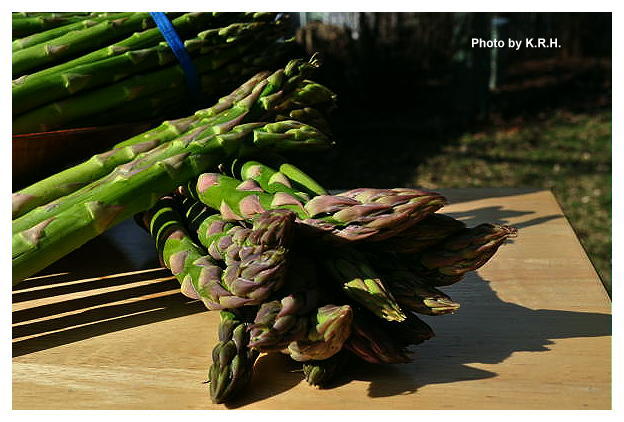
Spring is here, and that means it’s asparagus season! I absolutely love asparagus! Not only is it one of my favorite springtime vegetables but it’s one of my favorite vegetables period. It has such a unique flavor, and works so well in so many dishes. This spring asparagus seems to be everywhere in abundance, and the price is very low - in fact the lowest I’ve ever seen it -, so I’ve been taking full advantage and buying up pounds and pounds of what is usually a rather pricy food. I’ve been making all my favorite asparagus recipes, and new ones too! Utilizing a food I don’t get to eat year round. Truthfully even though it’s usually available throughout the year, it’s never as good as when you get it fresh in the spring. So take advantage!


Aside from it being delicious, asparagus also has the added benefit of being low in calories and low in sodium. It’s chalk full of a bunch of other good nutrients as well, which we’ll get to later, but first I wanted to address a commonly known fact about asparagus. Yes, you’ve guessed it, I’m talking about the urine effect. A lot of people complain that after they eat asparagus their urine smells funny, pungent and even awful. This deters a lot of people from eating it, which I think is silly because who cares if your urine smells after you eat it? Who’s going to smell it but you anyway? And even then you’re only in the bathroom a few minutes! Anyway, the interesting thing is that several researchers have studied this unique effect with the intention of finding out why some people produce foul smelling urine after eating asparagus while others do not. As it happens, researchers from France, China, and Israel discovered that odorous urine after asparagus consumption is a typical human characteristic. Meaning that the majority of humans produce this smelly urine. However only something like 22% of the human population actually has the autosomal genes required to smell it! They figured this out when it was discovered that those who could smell their own stinky urine could also detect the odorous smell in the urine of others, even those who could not smell it themselves. Fortunately both my husband and I fall into the category of ‘it doesn’t effect us’ or ‘we just don’t have the genes needed to smell it.’


So what does this teach us? 1) Virtually everyone has smelly urine after eating asparagus. 2) Just because you can’t smell it doesn’t meant it doesn’t smell. 3) Since virtually everyone is effected in this way, there’s no need to be embarrassed. Suck it up, asparagus is delicious and nutritious so go ahead and eat it!


History/Cultivation

Asparagus has been eaten and enjoyed both as a vegetable and as a medicine since ancient times. Native to the temporal regions of Europe, North Africa and Asia, it has been eaten in Egypt since 20,000 BP. The use of asparagus as an offering is pictures on Egyptian tablets dating back to 3000 BC. However the ancient Egyptians were not the only ones to enjoy this springtime vegetable. It was also known to the Syrians, and the Spanish as well as the Greeks and the Romans who praised it not only for it’s delicate flavor, but for it’s diuretic properties as well. The Romans would eat it fresh in spring, and dry or freeze it high in the Alps to use in the Feast of Epicurius. There are even recipes for cooking asparagus in the oldest surviving book of recipes, Apicius’s third century AD De re coquinaria, Book Three.

Cultivation of Asparagus began in French Monasteries in 1469, but it wasn’t till the 18th century when it became extremely popular in the country. During the rule of Louis XIV special greenhouses were built for growing asparagus and it was served as a delicacy. It made it’s way to the New World and the United States around 1850.


Health Benefits 

Asparagus delivers a truly unique blend of anti-inflammatory nutrients that have been shown to be of benefit. Among these nutrients are saponins - including asparanin A, sarsasapogenin, protodioscin, and diosgenin. Sarsasapogenin has been of particular interest in relation to ALS - also known as Lou Gehrig’s Disease) Even though ALS is characterized as a chronic neurodegenerative disease and not currently accepted as an autoimmune disorder, it’s thought that excessive inflammation may play a role in the death of motor neurons in ALS.

In addition to it’s anti-inflammatory benefit Asparagus also offers a wide variety of antioxidant nutrients, such as Vitamins C and E, beta carotene, and minerals like zinc, manganese, and selenium. It may also contain a valuable amount of the antioxidant glutathione (GSH) which is one of the bodies best studied antioxidants. One published study has estimated the GSH in fresh asparagus to average 28 mg per 3.5oz. While other studies have compared the antioxidant capacity of Asparagus with that of cruciferous vegetables such as cauliflower and cabbage.

This is important because anti-inflammatory and antioxidant nutrients are amongst the best risk reducers for chronic diseases such as type 2 diabetes, heart disease and certain types of cancer.


Most of the studies conducted on the anti-cancer benefits of asparagus have been conducted on rats, and mice or on specific cancer cells. For this reason asparagus-cancer research is considered preliminary as it’s not yet been validated by large scale human studies. However the trends in animal and specific cell studies are clear, asparagus as well as asparagus extracts can change the metabolic activity of cancer cell types. These changes are protective in nature and related to better regulation of inflammation and oxidative stress. Cancer cells taken from the liver have been the most studied in this regard.

It’s possible that Asparagus may also have an effect on Leukemia, however the research at this time is poor. The initial thought behind this lies in the fact that leukemia cells need to obtain a specific amino acid called asparagine from other cells or from the blood. If leukemia cells are prevented from obtaining asparagine they may have trouble surviving. Research from the 50's and 60's discovered that the injection of an enzyme called asparaginase into patients with leukemia could result in decreased levels of asparagine in the blood and selective destruction of leukemia cells through asparagine deprivation.  Prescription injection of asparaginase enzymes is still used in treatment for acute lymphoblastic leukemia. The reason asparagus has been looked to in this instance is because it contains both the amino acid asparagine, and the enzyme asparaginase as their names suggest, however there is no current research showing a treatment connection between leukemia and dietary intake of asparagus. The only research so far concentrates on the prescription injection of the enzyme medication.

Asparagus also seems uniquely designed to help support a healthy digestive system. With it’s rich fiber content - 3g per 1 cup - and it’s significant protein - 5g per 1 cup - asparagus helps stabilize our digestion and keep things flowing along our digestive tract at an appropriate speed. As opposed to fatty foods that slow down the digestive process or sugars that speed it up. However it’s digestive support doesn’t end there. Asparagus also contains a significant amount of a nutrient called inulin, which has been described by some healthcare practitioners as a ‘pre-biotic.’ Inulin is a special kind of carbohydrate called a polyfructan, and unlike other carbs inulin doesn’t get broken down in the first sections of the digestive tract. Rather it passes undigested through the small intestine and arrives intact in the large intestine where it becomes an ideal food source for specific kinds of bacteria, associated with better nutrient absorption, lower risk of allergy, and lower risk of colon cancer. Due to it’s unique effect on our digestive system it’s no wonder that asparagus has a long history of use in Indian Ayurvedic medicine for treating digestive problems.

While there have been no large-scale human studies researching the effect of asparagus on heart disease and blood sugar regulation, preliminary studies suggest asparagus may be helpful in both these areas of chronic disease. This is due firstly to the incredible vitamin B content of asparagus.  Asparagus has proven to be an excellent source of folic acid, and vitamin B1, as well as a good source of vitamin B2, B3, and B6. It also contains B vitamins such as choline, biotin, and pantothenic acid. This is important because B vitamins play a key role in the metabolism of sugars and starches, they are critical for maintaining healthy blood sugar. They also play an important role in regulating homocysteine, and amino acid that becomes a strong risk factor for heart disease if it’s allowed to reach excessive levels. Secondly it’s potential benefit on heart disease and blood sugar can be attributed to it’s asparagus’s fiber content. As it’s well known that intake of soluble fiber has repeatedly been shown to lower the risk of heart disease as well as type 2 diabetes. Lastly, asparagus’s antioxidant, and anti-inflammatory properties are crucial. Both heart disease and type 2 diabetes are considered chronic diseases that develop in relation to chronic inflamation and oxidative stress. Meaning asparagus’s high antioxidant and anti-inflammatory nutrients could help lower the risk of both heart disease and type 2 diabetes.


Studies conducted on persons with Alzheimer’s found that those suffering from the disease had extremely low to no levels of folate in their bodies. Since asparagus is such an excellent source of folate, it could be beneficial both in preventing and treating early stages of Alzheimer’s. However no large-scale human studies have been conducted at this time. Folate is also a crucial nutrient for pregnant woman as it helps protect against birth defects.

Green Asparagus is also a particularly good source of vitamin C, and vitamin C is important in the production and maintenance of collagen, which is the major structural protein component of the connective tissue in the body.

The second century physician Galen described asparagus as being both “Cleansing and healing” which certainly seems true today, as asparagus is considered a diuretic, a mild laxative and a neutralizer of ammonia in the body.

Overall though more research needs to be conducted asparagus seems to have many benefits, and it’s delicious too!


Preparation

Honestly I love asparagus cooked anyway and in any dish. I love it lightly steamed, grilled, sauteed, stir-fried, roasted, raw, or baked. I love it hot or cold, in soups, stews, salads, pasta dishes, tarts, casseroles, or on it’s own. I love it plain, and by itself, I love it dressed simply or elegantly. I love it with rice or cous cous, I love it as a filling for sushi or even a wrap. It’s even great as part of a tofu scramble. Honestly the ways you can enjoy asparagus are endless, it’s so versatile and it works brilliantly with a wide variety of seasonings. Try it pan fried with shallots, garlic and lime juice. Or try it steamed and drizzled with olive oil, balsamic vinegar, rosemary and minced garlic. Tick it up a notch with a Cajun, or Jamaican rub, or just some good ole’ red pepper flakes. Don’t be afraid to experiment with it!

Happy and Healthy Eating to you!

Tuesday, January 24, 2012

Spotlight Food - Apples...


Though I love almost all fruit, if there was only one fruit I could eat for the rest of my life it would be apples. There are not words enough anywhere in human language that could accurately or fully describe to you just how much I love apples. I have loved and adored them since I was a child, and though some people may consider the apple to be a rather boring fruit I have never, not once in my life, ever gotten tired of it. I eat them with relish, I always have. You know that old saying "An apple a day keeps the doctor away?" well I must have taken that message to heart as a child because I ate an apple every day at lunch or for snack growing up. Not a day went by that I didn’t pack one into my backpack to take to school, and that practice has held over well into my adulthood. I bring 1 and sometimes 2 apples to work each day. Some days I can consume up to 3 apples a day in various ways. One on it’s own, one in a smoothie, and one chopped into a salad for instance, sometimes I even enjoy them for dessert. There is just something magical for me about their cool crisp texture, and tart-sweet juicy flavor. I say tart sweet because while I love apples I only love certain kinds of apples, the tart kind.


By now some of you may have wondered why in my recipes I always specify using Granny Smith apples or Pink Lady apples, and there are two reasons for this. One is that they are my absolute favorite and very rarely do I ever buy any other kind of apple. Secondly they are lower in sugar then other apples, Granny Smith in particular contains less sugar then any other apple, which makes it’s glycemic index lower, and it’s overall glycemic load less of a burden if that’s a concern for you. In short Granny Smith are the healthiest apple to eat on a regular basis, and since I eat them very regularly indeed it’s a good thing for me.

As far as other apples are concerned I absolutely despise red, and golden delicious. I’m not too fond of honey crisp either. However I don’t mind Macintosh, and Gala - both of which remind me greatly of childhood - or Fuji but still they can’t compare to the Smith and the Lady. So I rarely buy them, and eat them rather rarely, and usually only when they’re offered to me by others. My husband on the other hand prefers Gala apples above all others.

Another thing I love about apples is that they’re perfect anytime of year. They’re so universal and can be used in so many ways. They’re perfect to bake into pies in the fall, perfect to poach for dessert in winter, they’re great for eating on their own, or tossing into salads during any season, and they are always, always available no matter what grocery store or market you happen to walk into.

The apple in my opinion is natures most perfect food, but don’t just take my word for it, read on!


History/Cultivation

Did you know that there are over 7,500 known cultivars of apples available to humans? And that China, The United States, Iran, Turkey and Russia are the top five producers of apples worldwide? Did you also know that the apple has 57,000 genes (that’s 27,000 more then the human genome!!) which is the highest number of any plant genome studied to date? The complete genome of the apple was decoded by an Italian led consortium in 2010, proving that Malus sieversii was in fact the wild ancestor to the domestic apple, an issue that had been long debated within the scientific community, and the interest surrounding apples doesn’t stop there.

The apple is the pomaceous fruit of the apple tree (Malus domestica) a member of the rose family. It originates from Western Asia and is one of the most widely cultivated tree fruits. They have been grown for thousands of years in both Asia and Europe. Alexander the Great is credited with finding dwarfed apples in Kazakhstan in 328 BCE; which he brought back to Macedonia. For millennia the apple has been an important food source in Asia, Europe, Argentina and the United States upon arrival of the Europeans. It was in the 17th century that apples were brought to the New World by colonists, and it’s said that the first apple orchard on the North American continent appeared near Boston in 1625. While the apple has been the subject of many interesting stories throughout history, it also features quite prominently in the mythologies of many diverse cultures around the world.


For example in Norse mythology the goddess Iounn is credited in the 13th century Prose Edda with giving apples to the gods that in turn gave them eternal youthfulness. The apple is mentioned in many Greek Myths from Heracles having to pick the golden apples from the Tree of Life, to the goddess of discord Eris throwing an apple in anger into the wedding party of Peleus and Thetis after being excluded, to inadvertently causing the Trojan War. The apple was also considered to be sacred to the goddess Aphrodite, but that’s not all. The apple is notoriously famous in Christian Mythology, thanks almost entirely to the story of Adam and Eve. Even though the ‘forbidden fruit’ in question, is never identified in the book of Genesis, the apple has become synonymous with the tale. Most likely due to the fact that renaissance painters had a habit of adding elements of Greek Mythology into their biblical depictions. In this case the unnamed fruit of Eden became an apple, and as a result of popular Christian tradition the apple became a symbol of knowledge, immortality, temptation, sex, seduction, the fall of man into sin, and even sin itself.

How one little fruit could become the inspiration for such wild speculation and interpretation, as well as the heated subject of thousands upon thousands of fanciful myths is beyond me, but there is plenty of evidence for why they should regularly be included into a healthful diet.


Health Benefits

No area of apple research has been more concentrated then the study of apple polyphenols. As it turns out the balance of phytonutrients in apples is a lot more unique then previously suspected. The flavonoid quercetin is the primary phytonutrient found in apples and is more concentrated in the skin than in the pulp. Kaempferol and myricetin are also important apple flavonoids, and chlorogenic acid is the apple’s primary phenolic acid which is found both in the skin and the pulp. In terms of catechin polyphenols, epicatechin is the primary nutrient found in apples, while the flavonoid phloridzin accounts for 98% of the flavonoids found in apple seeds. (However Apple Seeds are mildly poisonous, and while they shouldn’t post a threat to humans in small quantities they are a deterrent for birds and other small creatures) The total polyphenol content of an apple ranges from 1-7grams/kilogram of fresh pulp, however the ratio increases in the skin, which underscores the special value of apple skins in deriving optimal polyphenol benefits from the fruit.

There’s a very interesting reason for why apples have such a diverse amount of polyphenols as recent research shows that polyphenols are the apples favorite mechanism used to protect themselves against UV-B radiation. The cells within the skin of the apple that conduct photosynthesis are particularly sensitive to UV-B light from the sun. However many of the polyphenols in the skin can absorb UV-B light, and therefore prevent the UV-B from damaging the photosynthetic cells within the apple skin. Basically polyphenols act as the apples own natural sun block, how cool Is that?


Another interesting fact about the polyphenol content of apples relates directly to why apples brown so quickly/easily when sliced open or bruised. Inside the cells of both the apple skin and the pulp are enzymes called polyphenol oxidases. When the cells of an apple are physically damaged these polyphenol oxidases begin oxidizing, which results in the browning of the damaged portion. Subsequently not only dose the apples turn brown but it also begin releasing large amounts of ethylene gas that can pose a risk to other undamaged apples. This phenomenon is what coined the phrase "One bad apple can spoil the whole bunch." So it’s good to remember to be gentle when handling apples, as well as to remove any bruised apples from a bunch before storing in bulk, to help protect the apples polyphenol benefits, and prevent the release of this ethylene gas.

Apples are also quite high in antioxidant activity as most of the polyphenols they contain also function as antioxidants. Particularly strong is the apples ability to decrease oxidation of cell membrane fats, which is especially important for our cardiovascular system. Since oxidation of fat in the membranes of the cells that line our blood vessels is a primary risk factor for atherosclerosis. (Clogged Arteries) as well as other cardiovascular problems. Studies have shown that total cholesterol, and LDL-Cholesterol are both decreased through regular intake of apples. In addition to protecting the oxidation of fat in the blood vessels, they also help prevent oxidation of the fats found in the bloodstream. (Triglycerides) Decreased lipid preoxidation is a key factor in lowering risk of many chronic heart problems. Research also shows that the quercetin content of apples also provides our cardiovascular system with anti-inflammatory benefits. The studies show that our blood levels of C-reactive protein are reduced with regular consumption of apples which leads researchers to believe that the quercetin in apples is the primary reason for the drop.

New research on apples also shows their potential in regulating blood sugar. Studies show that the polyphenols in apples are capable of influencing our digestion and absorption of carbohydrates, and the overall impact of these changes improves regulation of our blood sugar. The impact of apples on our carbohydrate processing includes slowing down carbohydrate digestion. Quercetin as well as other flavonoids found in apples act to inhibit carbohydrate-digesting enzymes like alpha-amylase and alpha-glucosidase. When these enzymes are inhibited carbohydrates are broken down less readily into simple sugars, which places less of a load on our bloodstream. Polyphenols in apples also work to lower the rate of glucose absorption from our digestive tract, which again in turn lessen’s the sugar load on our bloodstream. Since getting the sugar our of our bloodstream often requires the help of insulin which is produced by the beta cells of our pancreas; by telling the beta cells of the pancreas to produce more insulin, the polyphenols found in apples can help us clear more sugar from our blood and keep our blood sugar levels in better balance. In order for sugar to leave our bloodstream and enter our cells (particularly the muscle cells), insulin receptors on those cells must bind together with the insulin hormones and create cell changes that will allow sugar to pass through the cell membrane and into the cell itself. (Muscle cells for example continuously need this uptake of sugar from the bloodstream in order to function properly) Polyphenols in apples help to activate the muscle cell insulin receptors, and in this way, they help facilitate passage of sugar from our bloodstream up into our cells, which results in better blood sugar regulation in our body.


Numerous studies have also researched the correlation between vegetable/fruit intake and a decreased risk of lung cancer, and while these studies show an impressive ability of overall fruit/vegetable intake to lower lung cancer risk very few individual fruits have been shown to be protective against lung cancer - except apples! Researchers aren’t yet certain why apples prove to be so beneficial at reducing lung cancer risk, though their unique blend of antioxidant and anti-inflammatory benefits certainly play a role. However these things alone don’t fully explain why apples have been such a standout in this area of health, future research will hopefully shed some more light here. Some preliminary results also suggest that apples may have an effect on reducing the risk of colon, prostate and breast cancers as well.

Apples are also surprising researchers because of their anti-asthma benefits. Though further research needs to be conducted multiple studies have already shown that regular apple intake is associated with a decreased risk of asthma. Like it’s anti-cancer benefits it’s thought that apples anti-asthma benefits are related to their blend of antioxidant and anti-inflammatory nutrients, however it’s suspected that there is another unique component of the fruit at play here, which we do not yet understand.

Preliminary health benefits of apples have also been established for several age-related health problems, including macular degeneration of the eye, and neurodegenerative problems like Alzheimer’s. in animal studies prevention of bone loss has also been an area of investigation, particularly related to the phoridizin content of apples.

Interestingly research shows that apple juice concentrate has been found to increase the production of the neurotransmitter acetylcholine in mice, providing a potential mechanism for the prevention of the decline in cognitive performance that accompanies dietary and genetic deficiencies in aging. Other studies have shown an alleviation of oxidative damage and cognitive decline in mice after administering apple juice. Subsequently researchers at the Chinese University of Hong Kong found that fruit flies who were fed and apple extract lived 10% longer then other flies who were fed a normal diet.

Scientists have also recently shown that the important health benefits of apples may stem from their impact on bacteria in the digestive tract. In studies on laboratory animals, intake of apple is known to significantly alter the amounts of two bacteria (Clostridiales and Bacteriodes) in the large intestine. As a result of these bacterial changes metabolism in the large intestine is also changed, and many of these changes appear to provide health benefits. An example is that due to bacterial changes in the large intestine, there appears to be more fuel available in the large intestine cells (in the form of butyric acid) after apple is consumed.

So what should you take away from all this? The fact that there may very well be some truth to that old saying "An Apple a day keeps the doctor away"


Preparation

In all honesty my absolute favorite way to eat apples is raw, and by themselves. There’s nothing better or more satisfying then taking a big bite out of a juicy, delicious apples, and this is how I eat them the most. However, I also enjoy them in smoothies, where they’re great at adding a bit of sweet and a hint of tart. I love them sliced thin or chopped in salads. They’re great blended into a salad dressing for sweetness rather then using sugar. They’re great baked, or poached, wonderful dried, fantastic in pies, cakes, cobblers, crumbles, and tarts. Perfect for topping oatmeal or cereal and this is going to sound weird but they’re really great chopped and sprinkled overtop of vegan cream of celery root soup. There are a lot of fun and creative ways one can eat apples, so don’t be afraid to try out a few new recipes. Enjoy apples in all their forms and relish the fact that you’re doing something good for your health.

Happy and Healthy Eating to you!

Tuesday, September 6, 2011

Spotlight Food - Figs...


Fig season is in full force now, and I don’t know about you but I’m pretty ecstatic! I love everything about figs from their sweet taste, to their smooth flesh, and their crunchy seeds. They’re such a unique and mysterious fruit, with a wonderfully complex yet hard to describe flavor. Bold yet subtle at the same time. The only thing I don’t like about figs is their ridiculously short window of availability. Dried figs of course are available year round, and they too are delicious, but nothing beats a ripe fresh fig. Their season however only lasts from June until October, and in my neck of the woods I don’t usually see them for sale before Mid-August. If I’m lucky they hang around until early November but usually they’re gone by mid October. So I have to take advantage of them when I see them.


I know a lot of people who say they don’t like figs. Yet I wonder how many of us have really sat down and given figs a fair shake. Still I know even more people who claim to have never even eaten a fig before and I can’t help but wonder, why? I know that before my transition into vegetarianism I’d never truly eaten a fig. For whatever reason they just weren’t a part of my families food culture, and therefor hadn’t made it on to my radar. I’d had fig flavored things of course, mainly processed ‘bar’s and ‘cookies’ none of which I really cared for, but I’d never actually eaten an honest to goddess plain fresh fig, nor a dried one for that matter. In fact, I may never have eaten a fig at all were it not for an intriguing recipe I found while reading one of my very first Vegan cookbooks. As I’ve mentioned before I have a habit of making dishes that call for an assortment of ingredients that sound strange combined together. I have an even bigger habit of making any dish that contains an ingredient I have either never eaten or never heard of. So in typical fashion after happening upon said recipe I promptly went out and bought myself a pound of fresh figs, and a 2 pound bag of dried. I was very lucky that I found this recipe just as September was bleeding into October otherwise I’d of had to wait another year to try fresh figs.

Needless to say It was love at first bite. They’re just so unusual. Their flavor and texture so completely different then anything else I’ve ever eaten. I couldn’t believe I’d never tried them before. Figs have held a strong cultural importance over the ages, and feature strongly In many mythologies and religions, because of this I almost feel that by biting into a fresh ripe fig I’m biting into history. Now my passion for figs is endless. I always keep my pantry well stocked with the dried variety - Black Mission being my favorite - but when fig season rolls around I am in a state of bliss! I am on a constant and never ending search for new and exciting ways to enjoy my beloved fruit. If you have never eaten a fig, you most certainly should! Even if you think you don’t like them. Just give figs a chance!


History/Cultivation

Figs are the fruit of the Ficus tree, a deciduous tree native to Southwest Asia, and the Mediterranean Region. The edible figs is thought to be one of the first plats cultivated by humans. In the Neolithic village of Gilgal l (In the Jordan Valley north of Jericho) nine subfossil figs were found dating back to 9400-9200. This find predates the domestication of wheat, barley, and legumes by one thousand years and may possibly be the first known instance of agriculture. From there figs spread to Ancient Egypt, Crete, Greece and Rome, where they became staples in the traditional diet, as well as revered as a sacred fruit and symbol.

The fig tree is sacred to the Greek God Dionysus, and appears frequently in stories of Greek, Roman and Religious mythology. The fig tree is referred to many times throughout the Bible, most notably in the book of Genesis where Adam and Eve use the leaves from the fig tree to cover their genitals. Forever crystalizing the fig leaf as a symbol of modesty. The fig/fig tree is also mentioned in the Qur’an as well as Hindu, Jainist and Buddhist texts. In fact it was under the Bodhi tree - A large, old, sacred fig tree - that the Buddha was said to have achieved enlightenment.

Though figs had been enjoyed for centuries throughout the Mediterranean, The Middle East, Asia and North Africa, it wasn’t until the 16th century that they found their way to the Western Hemisphere, by way of Spanish explorers. In the late 19th century upon establishing a mission in San Diego, California Spanish Missionaries also planted fig trees. However the trees planted were inferior to those in Europe and so it wasn’t until the 20th century after further development of cultivation techniques that California began heavily cultivating and processing figs. Today California remains one of the largest producing regions of figs, along with Turkey, Egypt, Greece, Portugal and Spain.


Health Benefits

Figs are one of the highest plant sources of Calcium. According to the USDA data for Black Mission variety figs, the dried figs are richest in fiber, copper, manganese, magnesium, potassium, calcium and vitamin K.
Since figs are such a good source of potassium they have the ability to help lower high blood pressure. Not eating enough fruits and vegetables, combined with eating the typical high-sodium diet typical of so many Americans can create a potassium deficiency. A person who has a low intake of potassium coupled with a high intake of sodium has a much greater chance of developing hypertension. Since potassium is a mineral that helps control blood pressure, it’s important to remember to make figs and other potassium rich foods a regular part of your daily diet.

Figs are also an incredibly good source of fiber, and like prunes have a natural laxative effect, which is helpful for weight management. Studies have shown that woman who increased their fiber intake with supplements significantly decreased their energy intake, yet their hunger scores did not change. Meaning figs and other high fiber foods are a better more effective way to increase fiber, loose weight and stave off those hunger cravings.

Fruit and cereal fibers have also been shown to help protect against postmenopausal breast cancer. Results of a study involving 51, 823 woman over a period of 8 ½ years showed a 34% reduction in breast cancer risk for those consuming the most fruit fiber compared to those consuming the least.

Figs are a great source of calcium and as such they promote bone density. Subsequently since they’re also a good source of potassium they may counteract the increased urinary calcium loss caused by a high sodium diet. Which will help to prevent bones from thinning out at such a fast rate.

Interestingly fig leaves have also become a recent topic of interest. You may not have thought the leaves of the fig tree were something worth eating, but in many cultures fig leaves are a common part of the cuisine. Studies are now showing that fig leaves have anti-diabetic properties and can actually reduce the amount of insulin needed by persons with diabetes who require insulin injections.

In animal studies fig leaves have also been shown to lower the triglyceride levels in the blood. While in vitro studies have shown fig leaves to inhibit the growth of certain types of cancer cells. However researchers have not yet determined exactly which substance in fig leaves could be responsible for their remarkable healing effects, as further studies need be conducted.

Fruit is also important in protecting against macular degeneration which is the primary cause of vision loss in older adults. It’s reported that 3 or more servings of fruit daily can help reduce your risk of age related macular degeneration by 36%

So as with all of my previous spotlight foods figs are not only a delicious nutrient packed food but a beneficial one as well! Not to mention biting into a fresh ripe fig is a nice change of pace from chowing down on the typical banana or apple. It’s good to keep things interesting.


Preparation

Personally my favorite way to eat figs is just plain, by themselves. I like to snack on fresh figs, or dried ones. However another great thing to do with either fresh or dried is make your own home made fig bars, cookies, cakes, pies, or tarts. You can stuff and/or roast fresh figs with almonds and cashew cream to serve as an appetizer. Figs go particularly well in spinach, kale or arugula salads. You can blend fresh figs with some oil, vinegar and fresh herbs to make a nice salad dressing or marinade. You can poach fresh figs in wine or juice to serve with non-dairy yogurt or non-dairy ice cream. You can include dried figs to your morning oatmeal, granola, or cereal. You can include them in trail mix. You can make fig jam, salsa or spread, for crackers or bread. You can make fig bread either with dried or fresh figs. You can top off a bowl of non-dairy yogurt with some nuts and dried or fresh figs.

There is a lot you can do with these little gems, if you’re willing to get creative. I suggest you get to know your figs and don’t be afraid to try something new! Enjoy!

Happy and Healthy Eating to you!


Monday, July 25, 2011

Spotlight Food - Tomatoes...


Nothing screams summer like a nice juicy red tomato am I right? I love tomatoes, and while I do eat them year round I tend to eat them in larger quantities during the summer then in the winter. In the summer months my husband and I can go through as much as 3-4 pounds of tomatoes per week, while in the winter it tends to be a more conservative 1-2 pounds per week. My absolute favorite kind of tomatoes are just the simple tomato on the vine. I find they have a magnificent flavor, more concentrated then your average watered down garden tomato. I’m also a passionate eater of the Roma tomato which I use frequently, but don’t get me wrong, I do love all tomatoes, and wouldn’t dream of turning any variety away from my plate. Grape and Cherry tomatoes are particularly pleasing during the summer, and sun-dried tomatoes are fantastic year round. The tomato has got to be the worlds most versatile fruit, it really can be used a million different ways, in each and every season.


History/Cultivation

The Tomato (Solanum lycopersicum) is a fruit belonging to the Solanaceae (Nightshade) family. This delicious red gem has an interesting history starting with it’s origins. While we generally associate tomatoes with Mediterranean cuisine, particularly Italian, the tomato actually originated in Western South America, most likely in the highlands of Peru. While the exact date of domestication is not known it’s believed that the first domestic tomatoes may have been small yellow fruits similar in size and shape to cherry tomatoes, grown by the Aztec’s of Central Mexico. Though the tomato has been given many different names in many languages the word tomato comes from the Nahuati word Tomati meaning "The Swelling Fruit" Interestingly the Latin name for the Tomato Lycopersicon means "Wolf Perch" referring to the former belief that the tomato was as dangerous as a wolf because it’s a part of the nightshade family, and all nightshades at that time were considered to be poisonous The French called the tomato pomme d’amour, meaning "Love Apple" because of their belief that the tomato had aphrodisiac qualities; and the Italians named it pomo d’oro "Golden Apple" due to the fact that the first species of tomato with which they were familiar was likely the small yellow variety.

It’s uncertain who first intorduced the tomato to Europe. The Spanish Explorer/Conquistador Hernán Cortés may have been the first to bring the tomato back to Spain after he captured the Aztec city of Tenochtitian (now Mexico City) in 1521. However it’s possible that Christopher Columbus brought tomatoes to Europe as early as 1493.

After Spanish colonization of the Americas the Spanish distributed the tomato throughout their colonies in the Caribbean. They’re also credited with introducing the tomato into the Philippines from where it spread to Southeast Asia. Cultivation of tomatoes began in The Mediterranean in the 1540's where it grew easily due to the climate. Interestingly the earliest discovered cookbook containing tomato recipes was published in Naples in 1692, though the recipes used had apparently been obtained by the author from Spanish sources. Despite the growing use of tomatoes, and the fact that tomato cultivation began in Britain in the 1590's they weren’t widely eaten until the middle of the 18th century. The tomato was first introduced into the Middle East somewhere between the years 1799-1825 and entered Iran through two separate routes. One being through Armenia and Turkey, the other being through the frequent travels of the Qajar royal families visits to France. An interesting note is that the name for Tomato in Iran is gojeh farangi meaning "Foreign Plum" In North America the earliest known reference of tomatoes comes from 1710 when the herbalist William Salmon reported seeing them growing in what today constitutes South Carolina. It is thought that tomatoes made their way to South Carolina via the Caribbean, brought over by Spanish explorers. Though tomatoes were once an unpopular food due to the belief that they were dangerous or poisonous, they have now become one of the most widely cultivated and top selling vegetables in the world. Today Russia, Italy, China, The United States, India, Spain and Turkey are amongst the worlds largest producers.


Health Benefits

Tomatoes have huge antioxidant benefits due to their lycopene content. The lycopene in tomatoes has been extensively studied for it’s antioxidant and cancer-protecting qualities. In contrast to many other food phytonutrients whose effects have only been studied on lab animals lycopene from tomatoes has been repeatedly studied in humans and found to be protective against a growing list of cancers. From colorectal, prostate, breast, intestinal, lung, and pancreatic cancer. However while lycopene is a very important antioxidant phytonutrient, recent research shows that when it comes to tomatoes protective effects against prostate cancer and cardiovascular disease it’s not due simply to lycopene alone. Rather, in certain instances, it’s the synergy between lycopene and other phytonutrients naturally present in tomatoes that help to provide some of the most protective health benefits. That’s not to say that lycopene itself isn’t important, but it does go along way in lending support for those who advocate whole foods in the debate over whether cancer prevention is best achieved through whole foods or through concentrated single compounds.

A study published in the American Journal of Clinical Nutrition found that those persons with the lowest amounts of lycopene in their blood were 230% more likely to have or develop colorectal adenomas (The precursor to colorectal cancer)

A meta-analysis of 21 studies published in Cancer Epidemiology Biomarkers and Prevention, confirms that eating tomatoes, especially cooked, provides protection against prostate cancer. When compiled the data from all 21 studies found that men who ate the highest amount of raw tomatoes were found to have an 11% reduced risk for prostate cancer. Men who ate the most cooked tomato products did even better with a 19% reduced risk.

A 3 year Canadian study, published in the Journal of Nutrition found that men consuming the most lycopene had a 31% reduced risk of pancreatic cancer.

It’s interesting to note that when it comes to lycopene and prevention it’s better to eat cooked tomatoes vs raw, because their phytonutrients become more concentrated when cooked, particularly into a sauce or paste. Heating tomatoes just makes their cancer-fighting properties more bioavailable to us.

It’s also worth noting that research has found organic tomatoes and organic tomato products to have higher levels of lycopene then conventional (non-organic) tomatoes and tomato products. When comparing the nutrient density of non-organic ketchup to organic ketchup it was found that the organic ketchup contained 183 micrograms of lycopene per 1 gram of ketchup. Which is roughly about five times as much per weight as a tomato. The non-organic brand contained 100 micrograms of lycopene per 1 gram of ketchup. Bottom Line? For the most lycopene choose the deepest, darkest red organic ketchup, tomato sauce, tomato paste, tomato juice, and other tomato products.

Lastly it’s worth keeping in mind that lycopene has been shown to protect against many different cancers especially when consumed with fat-rich foods such as olive oil, avocado, nuts and seeds. This is because carotenoids are fat-soluble meaning they’re absorbed into the body along with the fats.

More good news about tomatoes is that they’re a very good source of potassium, and niacin. Niacin has been used for years as a safe way to lower high cholesterol levels, and diets rich in potassium have been shown to lower high blood pressure and reduce the risk of heart disease. In addition to this lycopene may also provide some protection against heart disease. In a study conducted in Boston of 40,000 middle aged and older woman who were free of cardiovascular disease and cancer when the study began. During more then 7 years of follow up those who consumed 7-10 servings each week of lycopene rich foods were found to have a 29% reduced risk of cardiovascular disease compared to woman eating less then 1.5 servings of tomato products weekly.

Another study conducted in Europe and published in the European Journal of Nutrition found that when a group of 12 healthy woman ate enough tomato products to provide them with 8mg of lycopene daily for a period of three weeks their LDL cholesterol was much less susceptible to free radical oxidation. A second study of 21 healthy individuals published in the British Journal of Nutrition found that a high dietary intake of tomato products significantly reduced total LDL cholesterol levels while also increasing LDL’s resistance to oxidation.

A study conducted in Australia and published in the Journal of the American Medical Association found that when 20 people with type 2 diabetes and no history of blood clotting problems were given 8 oz of tomato juice daily, after just 3 weeks platelet aggregation (the clumping together of blood cells) was significantly reduced. While of special benefit for those with type 2 diabetes who are at increased risk of cardiovascular disease, the blood thinning effects of tomato juice are noteworthy for anyone at higher risk of blood clot formation, however be sure to choose low-sodium unsweetened or naturally sweetened tomato juice.

Lycopene has also been shown to improve the skin’s ability to protect against harmful UV rays.

So there you have it, tomatoes are a wonderfully rich source of antioxidant and phytonutrient protection. In addition to everything else they’re also a fantastic source of vitamin C, A, and K, so load up on those tomatoes and don’t forget to eat them both raw, and cooked.


Preparation

I love tomatoes! I love them raw diced into salads, sliced on sandwiches and wraps. I love them in cooked or fresh salsa’s. I love them on pizza in pasta, I love them in pasta and pizza sauce. I love them in curry, in soup. I love them broiled, grilled, sauteed, roasted. I love them in chili, in casseroles, on tacos, . You name it and you can pretty much put a tomato in it or on it, in my opinion. They’re even wonderful on their own, sliced thin, drizzled with a tiny bit of balsamic vinegar and dusted with a tiny bit of sea salt and black pepper. Be creative, and as always...

Happy and Healthy Eating to you!

Thursday, July 14, 2011

Spotlight Food - Beets...


I don’t know what it is about beets, but hating them seems to be universal. I can’t say there are many (if any) people in my life who have a real, true, honest to Goddess love of beets. If people don’t flat out despise them, their attitude generally seems to be "Meh" accompanied by a scrunched up face, and a careless shrug of the shoulders. This is not a criticism mind you, just an observation, people just don’t give much mind to beets. I know, because I was like that once myself. It’s like there’s some ingrained rule in our society that has us automatically disliking them even if we’ve never tried them.

I know that at sometime in my life as an omnivore I must have eaten beets, though I can’t recall for the life of me a time when this might have happened. I don’t remember my mother ever serving beets, and I don’t recall my Oma ever serving (Me at least) beets. Yet I must have eaten them at some point, because when I ate them again as a vegetarian their smell and their flavor were familiar to me. I think the fact that I can’t recall eating them before I began cooking them for myself is somewhat significant. It does go a long way in lending to the theory that a lot of people just don’t know how to cook vegetables properly, which subsequently makes them quite forgettable. Particularly in my opinion, beets.

I am now a firm believer that beets get such a bad wrap because people just don’t know how to cook them. I know they seem a bit intimidating at first, those big bulbous blood red roots that’ll stain your whole kitchen if given half a chance. Combined with that wild tangled mass of greenery shooting out about 2 and a half feet. I get it, they’re strange, and foreign and smell faintly of dirt, better left untouched right? Wrong! Trust me when I tell you that once you get a handle on the infamous beet you will fall in love with their beauty and their magic. At the very least, you’ll no longer be so afraid of them.

Now that I’m Vegan, I have become a total beet convert. I don’t know if I’d go so far as to say they’re my all time favorite vegetable, but I definitely have a passion for them that I never thought I’d experience. They are without a doubt one of my favorite vegetables to look at, they’re so beautiful, particularly their color, and something about them seems to hold so much promise. Of course in the beginning, like most people I didn’t know much about how to cook them properly, but since I’ve started experimenting with them I have found an endless amount of delicious ways to eat them, and I hope that once you’ve finished this article you too will feel a bit more confident and encouraged to try them out yourself. Though a good thing to keep in mind is that if you are planning to play around with beets, not only is it important to cook and season them properly but it’s also important to buy good quality beets. Now when I say good quality, I mean you want to get beets with bulbs that are firm not soft, and small to medium sized not extra-extra large. Smaller bulbs will be more tender and sweet, and softness is a sign of age or possibly spoilage. The skin on the beets should also be smooth not wrinkly, and when it comes to the greens their quality is not indicative of the quality of the root. However if you do plan on eating the greens (which you absolutely can, and should do as they have a much higher concentration of nutrients) you will want to choose leaves that are lush, good in color and tender rather then tough. So without further adieu I strongly urge you to forget everything you think you know about beets, and give them a good honest try because not only are they delicious but they’re also fully loaded with antioxidants and other healthful nutrients.


History/Cultivation

The Beet (Beta vulgaris) is a plant in the Chenopodiaceae family, that has many cultivated varieties, the most common of which is the purple root vegetable known as the beetroot, or the garden beet. The beet has a long and interesting history of cultivation going as far back as the second millennium BC. Though it is not known exactly where the beet was first cultivated it’s thought to have occurred somewhere along the Mediterranean Basin, from where it was later spread to Babylonia in the 8th century, and then as far east as China. Available evidence provided by Aristotle and Theophrastus suggests it was primarily the leaves of the beet that were grown and consumed at the time, while the roots were not as often used. Interestingly beetroot remains have been excavated in the Third dynasty Saqqara Pyramid at Thebes, Egypt and charred beetroot remains were found in the Neolithic site of Aartswoud in the Netherlands. The earliest known written mention of beets comes from the 8th century BC, Mesopotamia.

It’s thought that the various invasions of Rome are responsible for spreading beets into Northern Europe, where they were originally used as animal feed, and only later for human consumption, eventually growing in popularity around the 16th century. However it wasn’t until the 19th century that the value of beets really increased. Once it was discovered that beets were a concentrated source of sugar, and that, that sucrose could be extracted to use in place of tropical sugarcane the first sugar beet factories opened in Germany and Poland. Later when the British restricted access to sugarcane, Napoleon decreed the beet be used as the primary source of sugar which catapulted it’s popularity. It was also around this time that beets were brought to the United States where they flourish today. Today the sugar beet still remains a widely cultivated commercial crop for producing table sugar. The leading producers of beets today are Russia, France, The United States, Poland and Germany.


Health Benefits

The leaves and the roots of the beet have been used medicinally to treat a wide variety of ailments for millennia. Ancient Romans used the beetroot as a treatment for constipation and fever. Hippocrates advocated using the beet leaves as a binding for wounds, and in the Middle Ages beetroot was used as a treatment for a variety of diseases related to digestion and the blood.

Today studies have proven beets to be a unique source of phytonutrients called betalains. Betanin and vulgaxanthin are the two best studied betalains from beets and both have been shown to have antioxidant, anti-inflammatory, and detoxification effects. Recent lab studies on human tumor cells have shown that betanin pigments from beets can lessen tumor growth by inhibiting pro-inflammatory enzymes. The tumor cell types used in the study include tumor cells from colon, stomach, nerve, breast, lung, testicular, and prostate tissue.

The fact that beets are rich in antioxidants comes as no surprise, what is surprising however is the kind of antioxidants they contain. Beta-Carotene is the most commonly occurring antioxidant found in vegetables however beets are rich in two other antioxidant carotenoid that aren’t nearly as concentrated in the vegetable kingdom. These two carotenoids are lutein and zeaxanthin, which help to give beets their glorious color. These carotenoids coupled with beets status as an excellent source of the antioxidant vitamin C, and the antioxidant manganese provide beets with a unique concentration of phytonutrients that offer antioxidant support in a completely different way then most other antioxidant rich vegetables.

While studies of beets antioxidant properties are still in the early stages, a recent study from Italy has shown that beets combination of lutein and zeaxanthin are important health support molecules, especially with respect to eye health. Particularly that of common age related eye problems involving the macula and the retina. With regards to eye health beets may yet prove to be extraordinarily protective, possibly surpassing other vegetables known to provide superior protection against age-related eye degeneration.

The Betalin pigments in beets have repeatedly been shown to support activity in our bodies Phase 2 detoxification process. Phase 2 is the metabolic step that our cells use to hook activated, unwanted toxic substances up with small nutrient groups. The process effectively neutralizes the toxins and makes them sufficiently water soluble so they can be excreted through the urine. Rather then remain in the body causing unwanted cell damage.

Interestingly beet fiber has also become a nutrient of increasing interest in health research. All food fiber is generally lumped together in one large category labeled "dietary Fiber" and most people think one kind of fiber is as good as another. However there is growing evidence to suggest that not all food fibers are created equal. Some food fibers it seems may be more beneficial then others. Beet fiber as well as carrot fiber are two types that may prove to have special health benefits particularly with respect to the health of our digestive tract (including prevention of colon cancer) and our cardiovascular system.

Many of the unique phytonutrients in beets have been shown to function as anti-inflammatory compounds. In particular betanin, isobetanin and vulgaxanthin. One mechanism allowing these phytonutrients to lessen inflamation is their ability to inhibit the activity of cyclo-oxygenase enzymes. These enzymes are widely used by cells to produce messaging molecules that trigger inflamation. Under circumstances where inflamation is needed the production of pro-inflammatory messaging molecules is a good thing. However under other circumstances such as when the body is undergoing chronic, unwanted inflammation, production of these inflammatory messengers make things worse. Several types of heart disease such as atherosclerosis are characterized by chronic unwanted inflamation. For this reason beets have been studied within the context of heart disease leading to some very promising but preliminary results in animal based studies as well as a few small scale human studies.

So there’s a lot of good that can come from this amazing root vegetable, but there are two important things to keep in mind when it comes to beets. First the consumption of beets can cause ones urine to become red or pink. This condition is called beeturia and it’s not harmful in and of itself. About 5-15% of adults in the U.S. experience beeturia following the consumption of beets. However beeturia may be cause for concern in person with iron deficiency, iron excess or known problems of iron metabolism. So if you are concerned that you may have an iron deficiency, or iron absorption problem please consult with your physician. It’s also possible for beet consumption to bring a red or pink color into your bowel movements. While this again, is not considered to be harmful in and of itself, It is important to be confident that the reddening of your stool is in fact due to the consumption of beets and not to the presence of fresh or dried blood. If you are experiencing redness in your stool and you have not consumed beets within 24-72 hours you should contact your physician.

The second thing to consider is that Beets (Mainly the leafy green tops) are among a select few vegetables that contain a measurable amount of oxidates. When oxidates become too concentrated in the bodies fluids, they can crystalize and cause health problems. For this reason individuals with already existing kidney and gallbladder problems may want to avoid eating Beet Greens. However if you don’t suffer from any kidney or gallbladder problems, and you’re not eating pounds upon pounds of beet greens a day, they are an excellent source of vitamins and antioxidants, providing even more nutritional value then the sweeter colorful roots. Beet Greens are definitely worth considering adding into your repertoire.


Preparation

My hands down favorite way to eat beets is to roast them in the oven at 400, drizzled with a tiny bit of olive oil, and balsamic vinegar, sprinkled with a bit of sea salt, black pepper and maybe a couple of fresh herbs. From there you can do anything with beets. You can eat them hot straight out of the oven like that, or you can slice them up and lightly saute them with some garlic, onions, a dash of cumin and a squeeze of orange juice. You can slice them and eat them either hot or cold in vegetable or grain salads. You can use beets in stews or soups, you can make borscht. You can slice beets thin and grill them in foil as you might potatoes. You can eat beets raw grated onto salads, or rolled into a wrap. You can slice raw beets thinly on a mandolin and eat them in salad, on a sandwich or use them to make raw ravioli or napoleons. You can use a spiral slicer to slice beets into spaghetti like noodle strips to eat as a raw pasta. You can steam beets, you can puree them to use in baking as you might apple sauce. You can put them raw or cooked into a smoothie, you can juice them. You can do just about anything with them. As far as seasonings go, I find they pair best with orange, cumin, garlic, dill, rosemary, oregano, Harissa, Lemon juice, olive oil, brown sugar, and balsamic vinegar (not all in the same meal of course!) But honestly don’t be afraid to get creative. Once you give beets a good honest try I’m sure you’ll love them just as much as I do, and remember, just because you might not like something prepared one way doesn’t mean you won’t like it prepared another. Try and try again.

Happy and Healthy eating to you!

*** Note- There are many different types of beets, photographed here I have your average garden variety red beet in the first picture. The second photo is of baby golden beets, the third picture is Chioggia beets, and the fourth picture is of the baby golden beets, the chioggia beets, baby red beets and regular red beets lined up together.***

Wednesday, June 29, 2011

Spotlight Food - Lemons and Limes...


I know you might not think much about lemons or limes when you’re in the grocery store or cooking dinner. In fact, if a recipe calls for lemon or lime juice more then likely you use the bottled stuff. It’s handy in a pinch I’ll give you that, and I certainly always make sure to have some on hand myself, but nothing beats fresh lemon or lime juice squeezed right out of the fruit. Both lemons and limes are tart, and sour, because of this a lot of people may find them disagreeable, but they’re absolutely indispensable in cooking. The juices from both of these fruits truly bring out the flavors of a dish in a completely unique way. I use lemon or lime juice at least once everyday in something, making it my most used but usually my most overlooked ingredient. In the past it was something I threw into my cooking because a recipe told me to, or because I needed a sort of light tart flavor, it’s only been in the past few months that I’ve truly started to embrace and appreciate both lemons and limes for their versatility and value.

History/Cultivation

Lemons - (Citrus limon) are a small oval fruit of mysterious origins, though they’re presumed to have originated in either India, Northern Burma or China where they have been cultivated for more then 2,500 years. It is thought that lemons first entered Europe through Southern Italy around the 1st century A.D. however they were not widely cultivated at that time. Around that time the lemon was also introduced into Persia, Iraq and Egypt, but it wasn’t until the Arabs brought the lemons to Spain and Northern Africa in the 11th century that they gained more popularity. The Crusaders who discovered the fruits growing in Palestine are credited with introducing the lemon into other European Countries. Christopher Columbus on his second journey to the New World in 1493 brought lemon seeds to the Americas, where lemons have been growing
in Florida since the 16th century.

Lemons are vitamin C rich foods containing close to 50% of your recommended daily value for Vitamin C in a quarter cup. They are about 5%-6% Citric Acid, which is what lends them their characteristic sour taste. During the California gold rush in the mid 1800's they were highly valued for the protection they offered minors and developers from scurvy. The demand was so high that people were willing to pay up to $1 per lemon, a price that is still considered high today. Lemon juice or oil has been used in everything from the culinary world, to aroma therapy, alternative medicine, natural insecticide, and as a household cleaning product.

The Major producers of lemons today are Italy, Spain, Greece, Israel, Turkey and the United States.

Limes - Like lemons Limes have a somewhat mysterious history, though they are thought to have originated in Southeast Asia. Arab traders are credited with bringing limes back from their journeys to Asia and introducing them into Egypt and other parts of Northern Africa in the 10th century. In the 13th century the Arabian Moores brought the limes to Spain, and from there they were spread through southern Europe during the crusades. Along with Lemons, Limes made their way to the Americas on Christopher Columbus’s second journey in 1493 where they were subsequently planted in many Carribean countries, whose hot and humid climates were ideal for growing limes. Cultivation of limes in the United States began in the 16th century when Spanish explorers brought the West Indies lime to the Florida Keys, where we now have the Key Lime.

Though limes have less citric acid then lemons do, and are therefor not as effective in providing protection against scurvy, they were used frequently by the British colonists in the West Indies because of their abundant growth in the region. It’s this excessive use of limes that earned them the nickname ‘limey’ a term that is still commonly used as a colloquialism for people of British decent.
The Major producers of limes are Brazil, Mexico and the United States.


Health Benefits

Both lemons and limes contain unique flavonoids that are known to have antioxidant and anti-cancer properties. A flavonoid in limes called flavonol glycosides has been of particular interest. These flavonoids have been shown to stop cell division in many cancer cell lines, but they are perhaps more interesting for their antibiotic effects. In several villages in West Africa experiencing cholera epidemics, lime juice was included in the main meal and was determined to have been protective against the contraction of cholera. After more experimentation researchers found lime juice to have a strong protective effect against cholera.
On top of their amazing phytonutrient content lemons and limes are both excellent sources of vitamin C, one of the most important antioxidants in nature. Vitamin C is the primary water soluble antioxidant in the body. It travels through the body neutralizing any free radicals which it comes into contact in the aqueous environments of the body both inside and outside cells. (Free radicals can interact with the healthy cells of the body, damaging them and their membranes)

Since free radicals can damage blood vessels and can effect cholesterol by making it more likely that it’ll build up in artery walls vitamin C can be helpful for preventing the development and progression of atherosclerosis and diabetic heart disease.

Research has shown that consumption of fruits and vegetables high in vitamin C is associated with a reduced risk of death from all causes including heart disease, stroke and cancer.

In animal studies and lab tests with human cells compounds in citrus fruits, including lemons and limes, called limonoids have shown to help fight against cancers of the mouth, skin, lung, breast, stomach and colon. Scientists from the US Agricultural Research Service (ARS) have shown that our bodies can readily absorb and utilize a very long acting limonoid called limonin that is present in citrus fruits in about the same amount as vitamin C. In the ARS study 16 volunteers were given a dose of limonin in amount ranging from those that would be found in 1-7 glasses of orange juice. Blood tests showed that the limonin was present in the plasma of all but one of the volunteers, with concentrations highest within six hours of consumption. However traces of limonin were still present in five of the volunteers 24 hours after consumption.

Limonin’s bioavailability and persistence may explain why citrus limonoids are such potent anti-carcinogens that may prevent cancerous cells from proliferating. Other natural anti-carcinogens like the phenols in green tea or chocolate for example remain active in the body for just 4 to 6 hours.
The ARS team are now studying the potential cholesterol lowering effects of limonin. Lab tests indicate that human liver cells produce less apo B when exposed to limonin. (Apo B is a protein that is part of the LDL cholesterol molecule needed for LDL production, transport and binding. Thus higher levels of apo B mean higher levels of LDL cholesterol)

Studies have shown that while high doses of supplemental vitamin C - such as vitamin c capsules - make osteoporosis worse in laboratory animals, eating vitamin C rich foods such as lemons and limes provide our bodies with protection against arthritis. The findings presented in the Annuls of the Rheumatic Diseases were drawn from a study of over 20,000 subjects who kept diet diaries and were arthritis free at the beginning of study. It was found that those who consumed the lowest amounts of vitamin C rich foods were more then three times more likely to develop arthritis then those who consumed the highest amounts.
So there you have it folks - eat your vitamin C don’t supplement it, and don’t forget about our good friends lemons and limes. I know that upon first glance they may not seem so appetizing, but there are plenty of ways they can be used to enrich your life.


Preparation

I guess the most obvious way to use lemons or limes is to make homemade lemonade or limeade, and I don’t mean the kind that you pour out of a box and add water too. Cut those beauties open, squeeze out their juice and mix it with water and a bit of your favorite sweetener, and bam! You have a refreshing glass of ‘ade rich with vitamin C. I actually make a really delicious cranberry lemonade for which I’ll post the recipe later. Use the zest of lemons and limes in baking. You can put the zest in anything from muffins, to scones, to cakes to cupcake, to cookies and breads. Use the zest and the fresh juice in salad dressings. Use fresh lemon juice in red lentil soups. Mix fresh squeezed lemon juice and zest into brown basmati rice. Squeeze fresh lime juice over Pad Thai, or mix fresh lime juice with peanut butter and roasted garlic to make a nice dipping sauce for vegetables. You can squeeze the juice of lemons and limes on just about anything and if you feel so adventurous you can even slice lemons and limes sprinkle them with a bit of sugar and eat the flesh right off the rind like you might an orange. You can also use them, their juice, and their zest to make delicious pies or puddings. Lime juice it has to be said is definitely one of my favorite salad dressing components. I couldn’t live without it.

Happy and Healthy Eating to you.